
With great pleasure, we will explore the intriguing topic related to The Ultimate Guide to Creating a Compelling Blog Post that Drives Action. Let’s weave interesting information and offer fresh perspectives to the readers.
The Ultimate Guide to Creating a Compelling Blog Post that Drives Action

Introduction
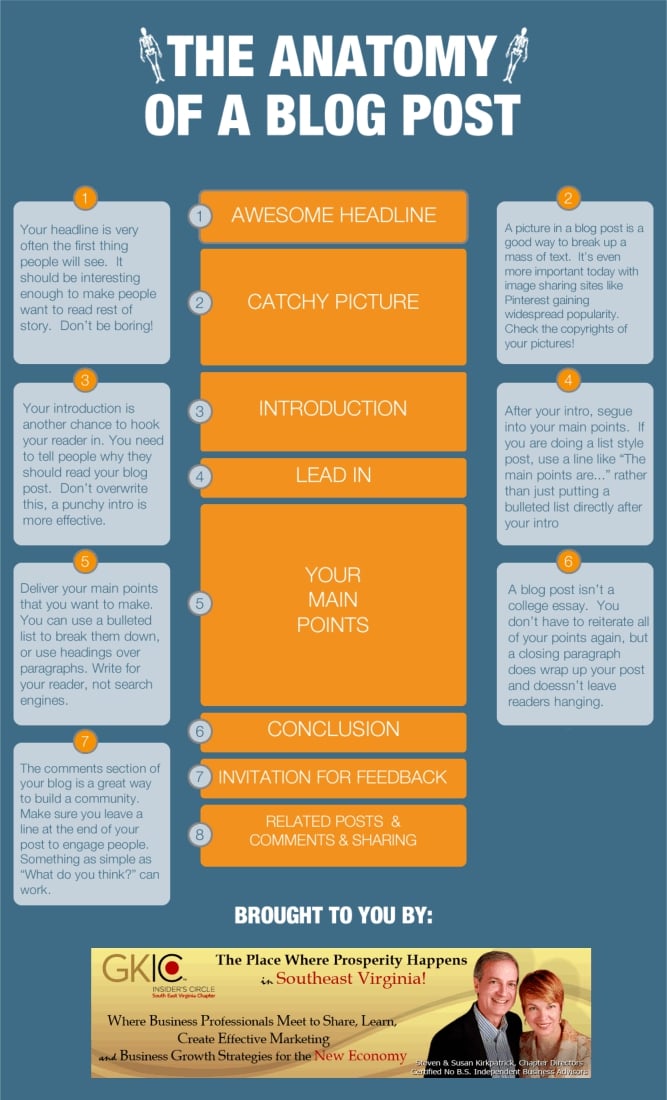
In the realm of digital marketing, blog posts serve as powerful tools for capturing attention, educating audiences, and driving conversions. When crafted effectively, they can showcase the value of your product or service to your ideal customer persona, creating a sense of urgency that propels them towards taking action. To achieve this, a well-structured blog post should captivate readers from the outset, providing them with valuable insights and compelling reasons to invest in your offering.
Understanding Your Value Proposition and Customer Pain Points
Before embarking on the journey of creating your blog post, it is crucial to have a deep understanding of your product/service’s value proposition and your ideal customer persona’s key pain points. This understanding will guide the content and tone of your post, ensuring that it resonates with your target audience.
Value Proposition
Your value proposition should clearly articulate the unique benefits of your product or service. It should highlight how your offering solves specific problems or meets the needs of your customers. By emphasizing the value you provide, you can create a compelling case for why readers should consider your offering.
Customer Pain Points
Identifying your ideal customer persona’s pain points is equally important. These are the challenges or obstacles that your customers face, which your product or service can help them overcome. By addressing these pain points in your blog post, you can demonstrate your understanding of their struggles and position your offering as the solution they have been seeking.
Crafting a Captivating Introduction
The introduction of your blog post is the gateway to capturing your readers’ attention and setting the stage for the rest of the content. It should be engaging, informative, and provide a clear overview of the topic you will be discussing. Consider using a compelling anecdote, a thought-provoking question, or a surprising statistic to hook your readers and keep them reading.

Subheadings: Delving into the Details
Subheadings serve as signposts, guiding readers through the content of your blog post. Each subheading should introduce a new aspect or benefit of your product or service, providing detailed insights and supporting evidence. By breaking down your content into smaller, manageable chunks, you make it easier for readers to digest and retain the information you present.
Advantages and Disadvantages: A Balanced Perspective
Every product or service has its advantages and disadvantages. In your blog post, it is important to present a balanced perspective by discussing both the benefits and potential drawbacks of your offering. This transparency builds trust with your readers and demonstrates that you are not trying to hide any potential shortcomings.
Summary: Reinforcing Key Points
Towards the end of your blog post, include a concise summary that reinforces the key points you have discussed. This summary should remind readers of the value proposition of your product or service and how it can help them overcome their pain points. By providing a clear and succinct recap, you can leave a lasting impression on your readers.
Q&A: Addressing Common Concerns

A Q&A section can be an effective way to address common questions or concerns that your ideal customer persona may have. By anticipating and answering these questions, you can proactively alleviate any doubts or hesitations they may have about your product or service. This section can also provide additional insights and value, further solidifying your credibility as a thought leader in your industry.

Conclusion: Call to Action
The conclusion of your blog post should serve as a call to action, encouraging readers to take the next step towards purchasing your product or service. This could involve signing up for a free trial, scheduling a consultation, or making a purchase. By providing clear instructions and a sense of urgency, you can motivate readers to act on their interest and convert them into paying customers.

Closing Statement: A Final Rebuttal
In your closing statement, reiterate the main points of your blog post and address any potential objections or counterarguments. By providing a strong rebuttal, you can reinforce the value of your offering and leave readers with a positive and lasting impression.
HTML Formatting: Ensuring Accessibility
To ensure that your blog post is accessible to all readers, it is essential to use valid HTML formatting. This includes using proper heading tags (
,
, etc.), paragraph tags (
), and other structural elements. Proper formatting not only enhances readability but also improves the overall user experience.

Word Count: Achieving Depth and Detail
To provide comprehensive and valuable content, aim for a word count of at least 2000 words. This allows you to delve into the details of your topic, providing readers with a thorough understanding of the benefits, features, and potential drawbacks of your product or service. By investing the time and effort to create in-depth content, you can establish yourself as an authority in your field and build trust with your audience.

Additional Tips for Creating a Successful Blog Post

- Use compelling visuals: Images, videos, and infographics can break up the text and make your content more visually appealing.
- Incorporate social proof: Include testimonials, reviews, or case studies to demonstrate the credibility of your offering.
- Optimize for SEO: Use relevant keywords and phrases throughout your content to improve your visibility in search engine results.
- Promote your post: Share your blog post on social media, email, and other channels to reach a wider audience.


Closure
Thus, we hope this article has provided valuable insights into The Ultimate Guide to Creating a Compelling Blog Post that Drives Action. We thank you for taking the time to read this article. See you in our next article!
