
With great pleasure, we will explore the intriguing topic related to Bild Aus Der Romantik: Unveiling the Allure of Romantic Art. Let’s weave interesting information and offer fresh perspectives to the readers.
Bild Aus Der Romantik: Unveiling the Allure of Romantic Art
Introduction
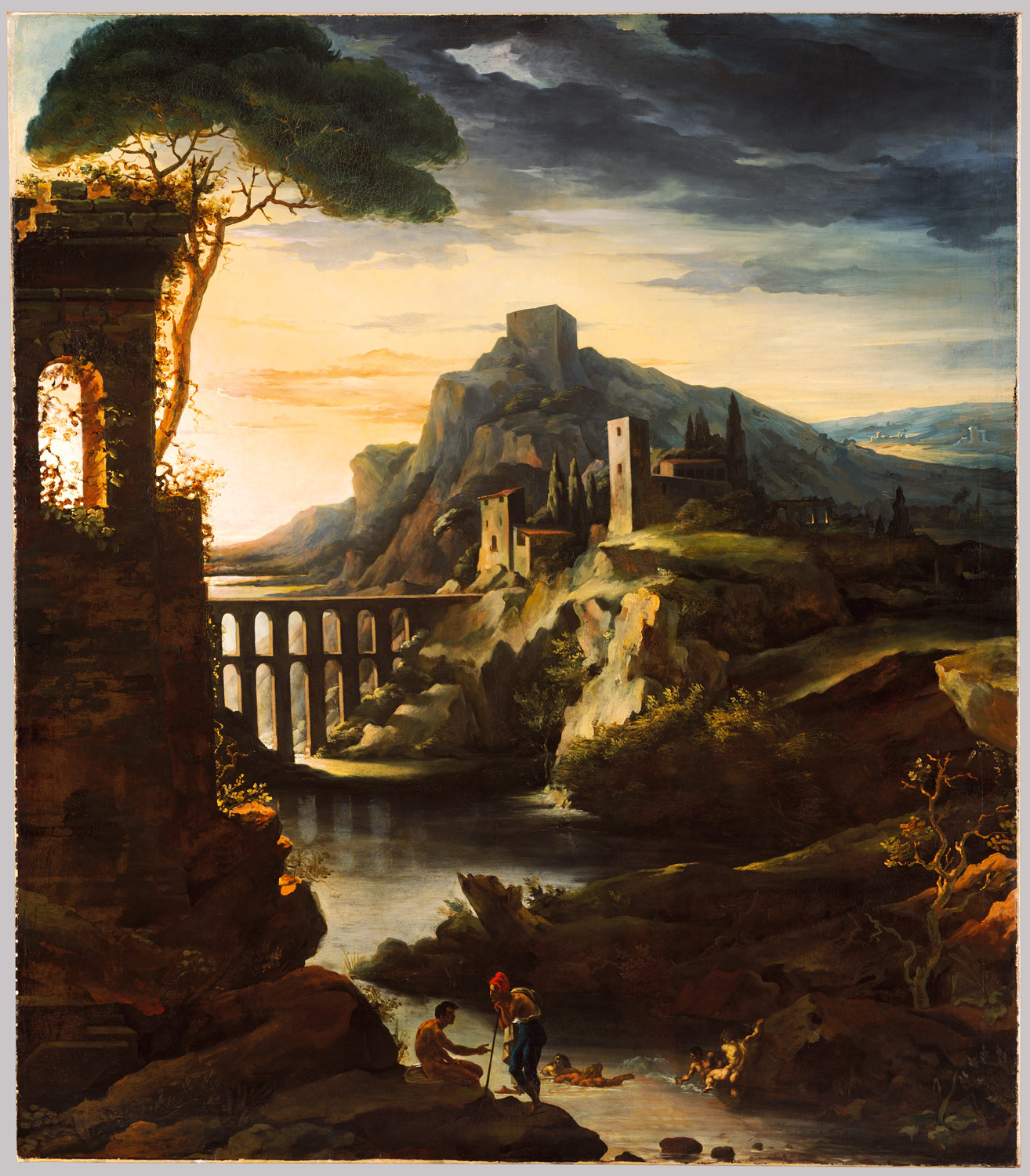
In the realm of art, the Romantic era stands as a testament to the power of imagination, emotion, and the sublime. Bild Aus Der Romantik, German for "painting from the Romantic period," encapsulates the essence of this extraordinary artistic movement, capturing the essence of nature, the human spirit, and the search for the extraordinary.
The Dawn of Romanticism
Romanticism emerged in Europe in the late 18th century as a reaction to the Enlightenment’s emphasis on reason and logic. Artists, writers, and musicians sought to explore the depths of the human psyche, celebrating imagination, intuition, and the power of nature.
Characteristics of Bild Aus Der Romantik
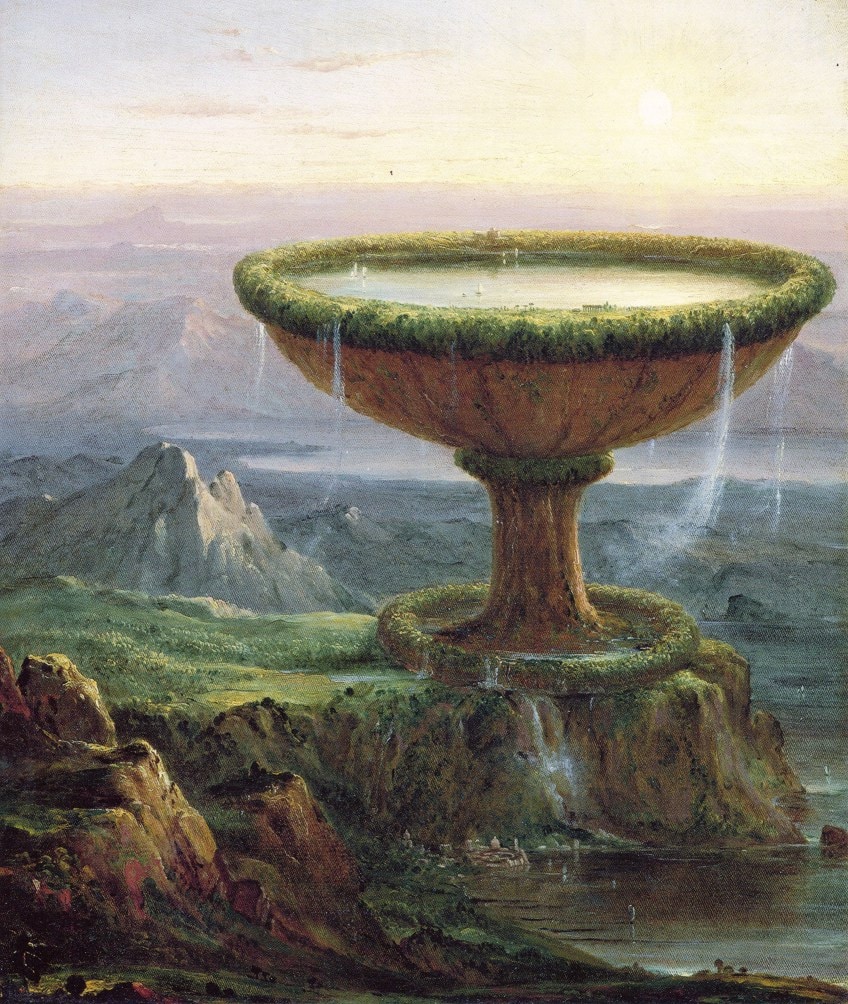
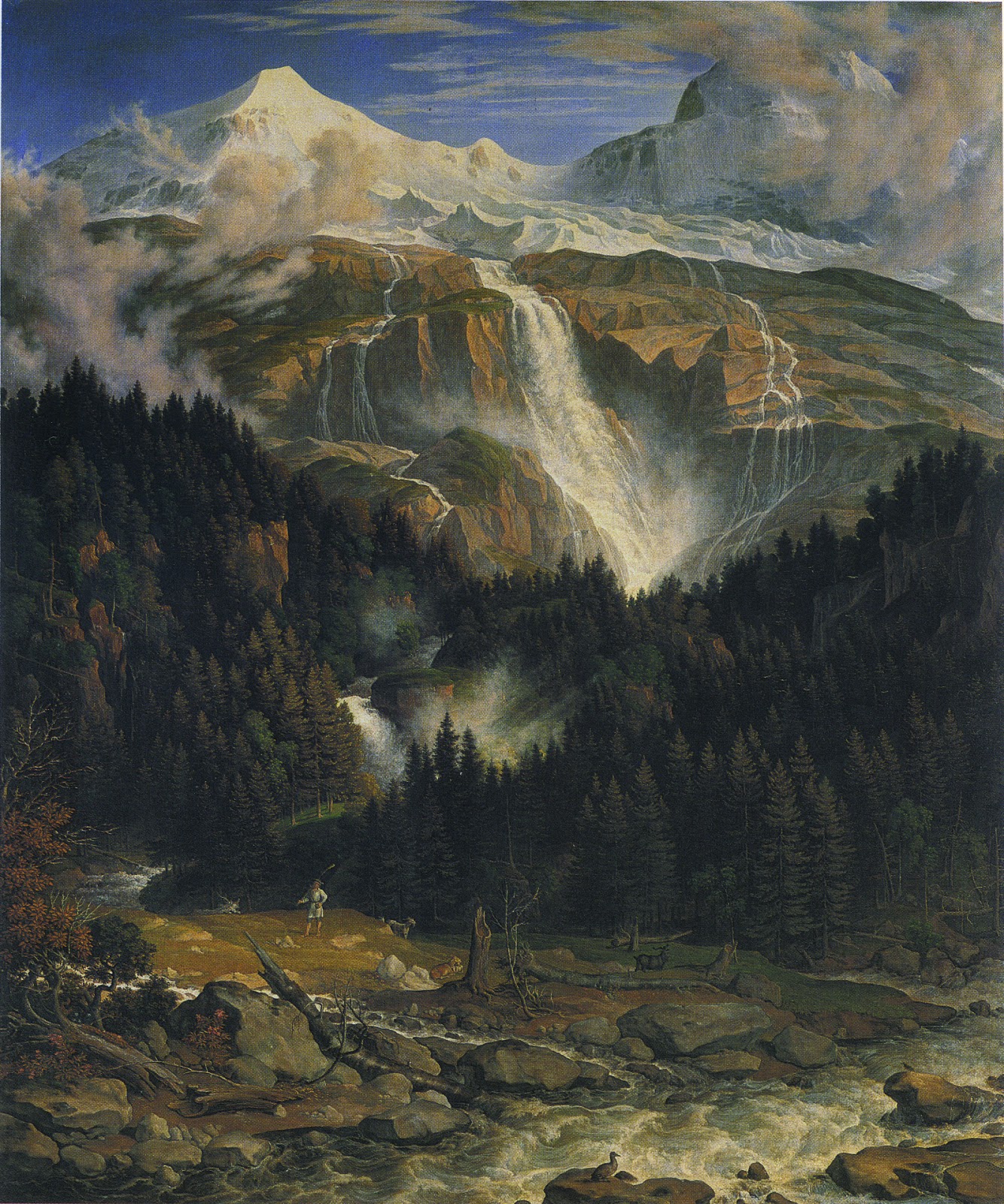
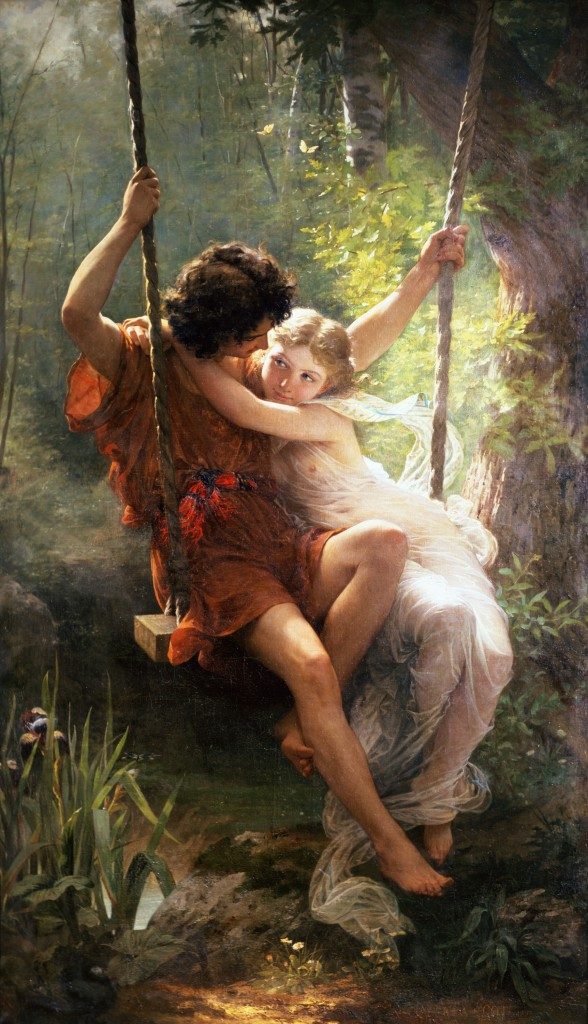
Bild Aus Der Romantik is characterized by its vivid colors, dramatic lighting, and expressive brushwork. Romantic painters embraced the sublime, seeking to evoke awe and wonder through their depictions of vast landscapes, towering mountains, and tumultuous seas.
The Power of Emotion
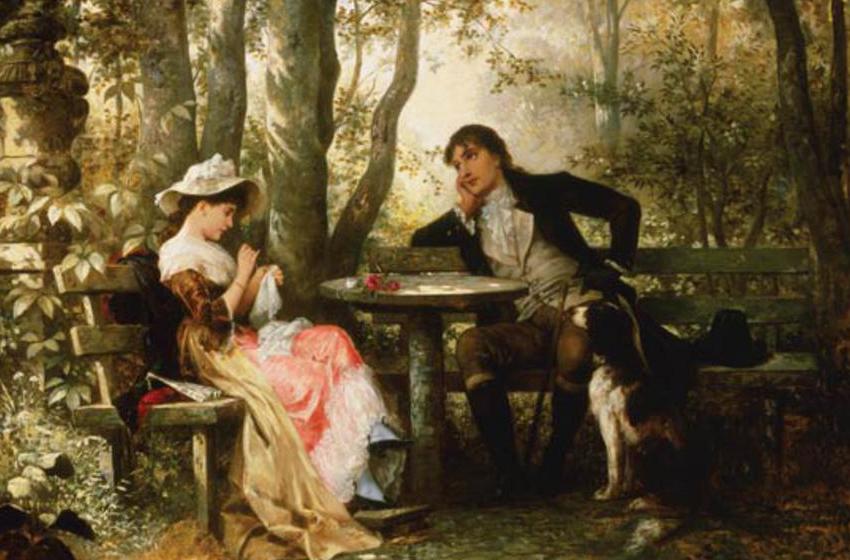
Emotions played a central role in Romantic art. Artists aimed to elicit strong feelings in their viewers, conveying the joy of life, the pain of loss, and the ecstasy of love. Their works often featured expressive gestures, contorted figures, and intense facial expressions.
Nature as a Divine Force
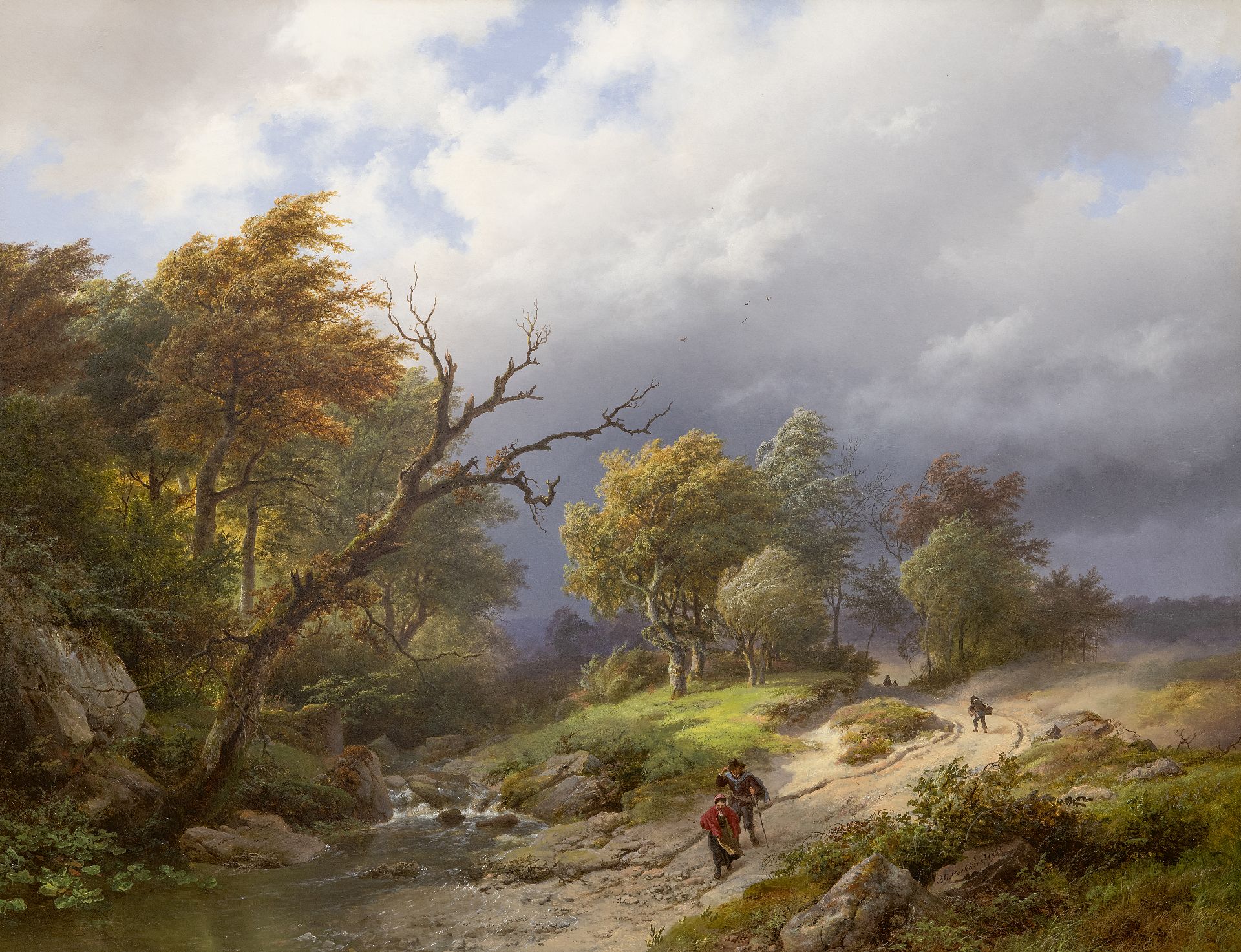
Nature was revered as a sacred and awe-inspiring force in Bild Aus Der Romantik. Artists depicted landscapes as living, breathing entities, imbued with spiritual significance. Trees, rivers, and mountains became symbols of the divine and the untamed wilderness.

The Individual and the Cosmos
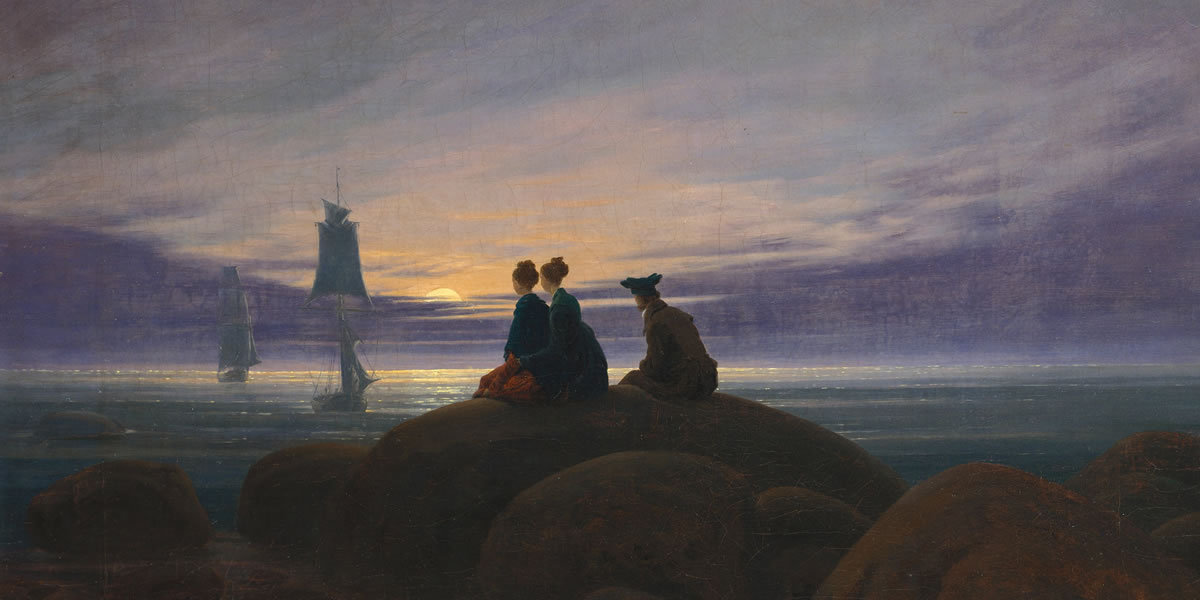
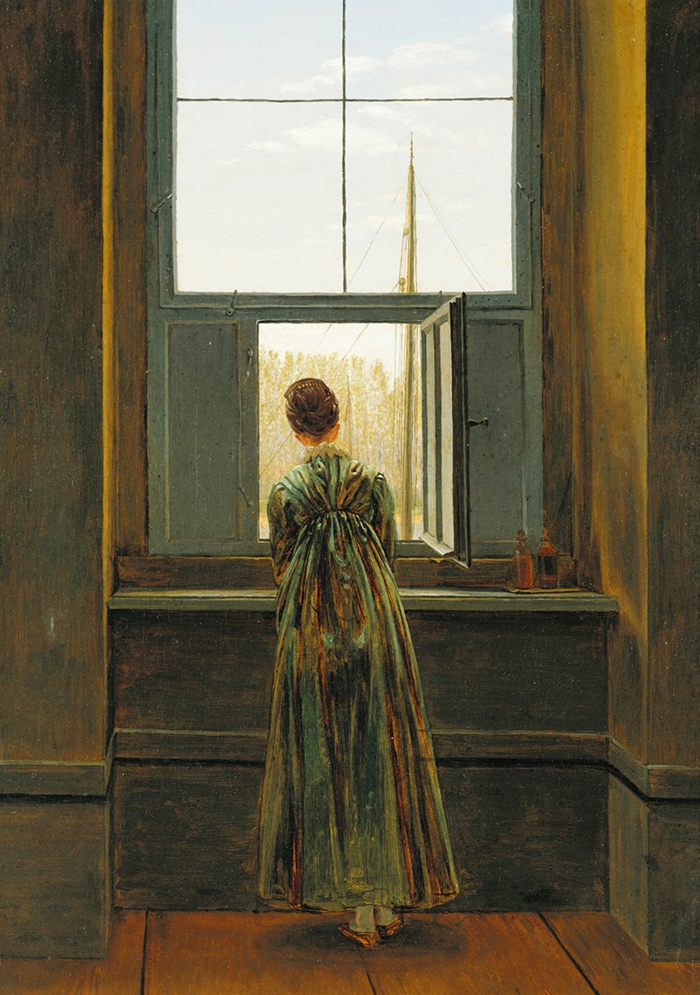
Romantic artists explored the relationship between the individual and the vastness of the cosmos. Their works often featured solitary figures contemplating their place in the world, dwarfed by the grandeur of nature or lost in thought.
The Search for the Extraordinary
Bild Aus Der Romantik reflected a fascination with the extraordinary and the unknown. Artists depicted scenes of fantasy, myth, and legend, seeking to capture the imagination and transport viewers to other realms.
Advantages of Bild Aus Der Romantik
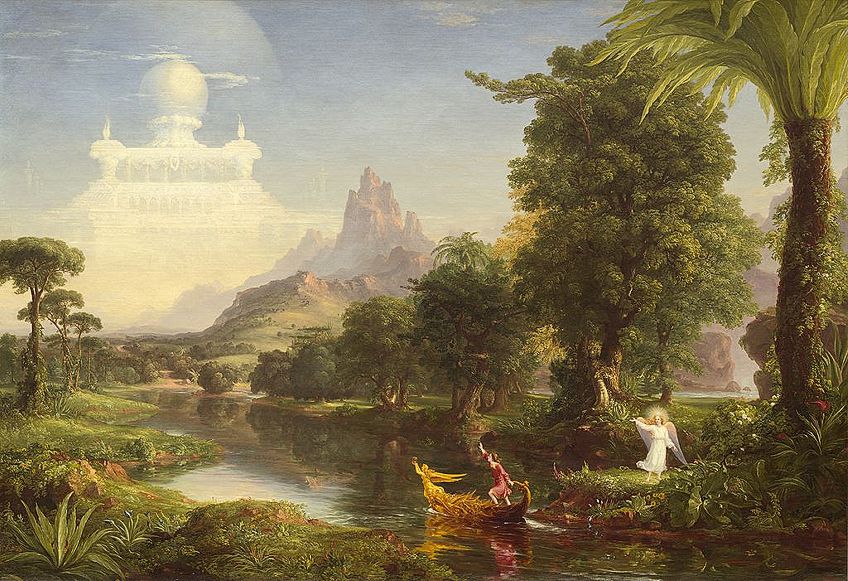
- Emotional Depth: Romantic art offers a profound emotional experience, allowing viewers to connect with the human condition and explore their own feelings.
- Aesthetic Beauty: The vibrant colors, expressive brushwork, and dramatic lighting of Romantic paintings create a visually captivating experience.
- Historical Significance: Bild Aus Der Romantik is an important part of art history, offering insights into the cultural and intellectual climate of the Romantic era.
- Inspirational Value: Romantic art has inspired countless artists, writers, and musicians, serving as a source of creativity and inspiration.
- Therapeutic Benefits: Engaging with Romantic art can provide therapeutic benefits, reducing stress, fostering emotional well-being, and promoting self-reflection.


Disadvantages of Bild Aus Der Romantik

- Over-Emotionalism: Some critics argue that Romantic art can be overly emotional and sentimental, lacking in restraint and discipline.
- Lack of Realism: Romantic paintings often prioritize emotion and symbolism over strict realism, which can limit their appeal to some viewers.
- Technical Limitations: The expressive brushwork and dramatic lighting of Romantic art can sometimes result in technical flaws, such as imprecise lines or muddy colors.
- Lack of Diversity: Romantic art was primarily created by male artists, and its depictions of women and people of color were often stereotypical and limited.
- Elitism: Bild Aus Der Romantik was often associated with the upper classes and could be seen as inaccessible or irrelevant to ordinary people.

Summary
Bild Aus Der Romantik is a captivating and enduring art form that celebrates the power of emotion, the beauty of nature, and the search for the extraordinary. Its advantages include its emotional depth, aesthetic beauty, historical significance, inspirational value, and therapeutic benefits. However, it is important to acknowledge its potential disadvantages, such as over-emotionalism, lack of realism, technical limitations, lack of diversity, and elitism.
Q&A
Q: What is the key difference between Romantic art and Classical art?
A: Romantic art emphasizes emotion, imagination, and the individual, while Classical art focuses on reason, order, and harmony.
Q: Who are some famous Romantic painters?
A: Caspar David Friedrich, J.M.W. Turner, Eugène Delacroix, and Francisco Goya.
Q: What are some common themes in Romantic art?
A: Nature, love, loss, the supernatural, and the human spirit.
Q: How did Romanticism influence other art forms?
A: Romanticism had a profound impact on literature, music, and theater, inspiring works by authors such as Mary Shelley, poets such as William Wordsworth, and composers such as Ludwig van Beethoven.
Q: What is the value of Bild Aus Der Romantik today?
A: Romantic art continues to inspire and captivate viewers, offering insights into the human condition, the beauty of nature, and the power of imagination.
Conclusion
Bild Aus Der Romantik is a testament to the enduring power of art to evoke emotions, inspire creativity, and connect us with the world around us. Whether you are an art enthusiast, a collector, or simply someone seeking a glimpse into the Romantic soul, embracing the beauty and depth of this extraordinary artistic movement is an experience that will enrich your life.
Closing Statement
As you delve into the world of Bild Aus Der Romantik, let its vibrant colors, dramatic landscapes, and emotional depth transport you to a realm of imagination and wonder. Embrace the power of art to uplift, inspire, and connect you with the beauty of the human spirit and the majesty of nature.

Closure
Thus, we hope this article has provided valuable insights into Bild Aus Der Romantik: Unveiling the Allure of Romantic Art. We appreciate your attention to our article. See you in our next article!
