
With great pleasure, we will explore the intriguing topic related to Bild Italien Flagge: A Comprehensive Guide to the Italian Flag. Let’s weave interesting information and offer fresh perspectives to the readers.
Bild Italien Flagge: A Comprehensive Guide to the Italian Flag

Introduction
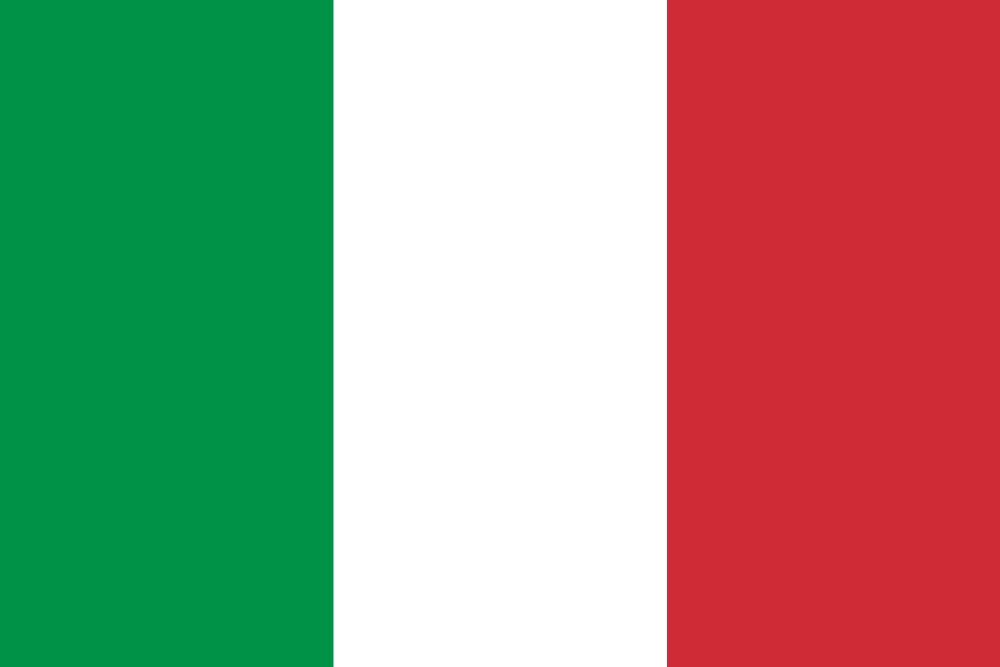
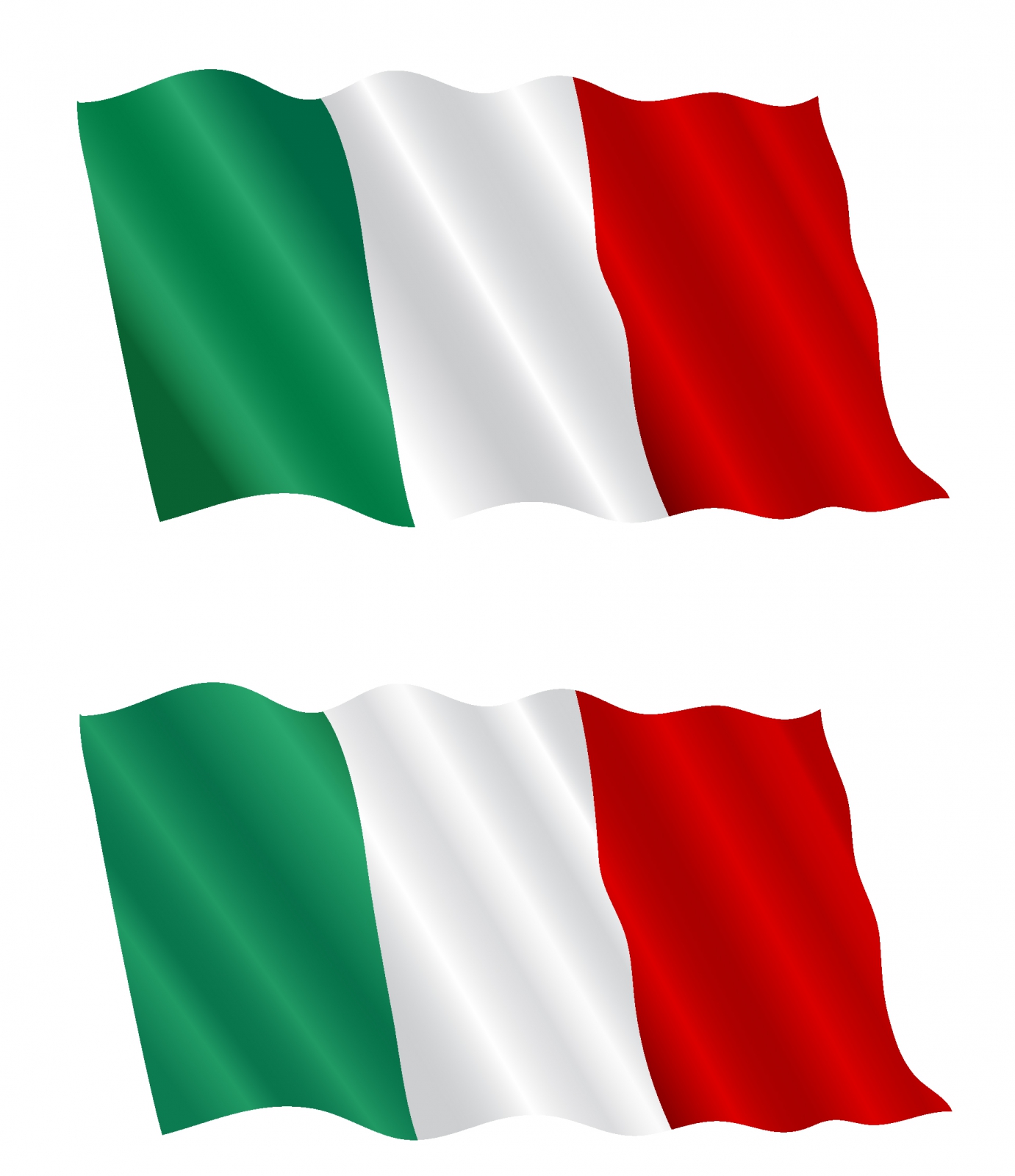
The Italian flag, known as the "Tricolore," is a powerful symbol of national pride and unity. Its distinctive green, white, and red stripes have adorned countless battlefields, flown atop government buildings, and inspired countless works of art and literature. In this comprehensive guide, we will delve into the rich history, symbolism, and significance of the Italian flag, exploring its origins, evolution, and the profound impact it has had on Italian culture and identity.
The Birth of the Tricolore
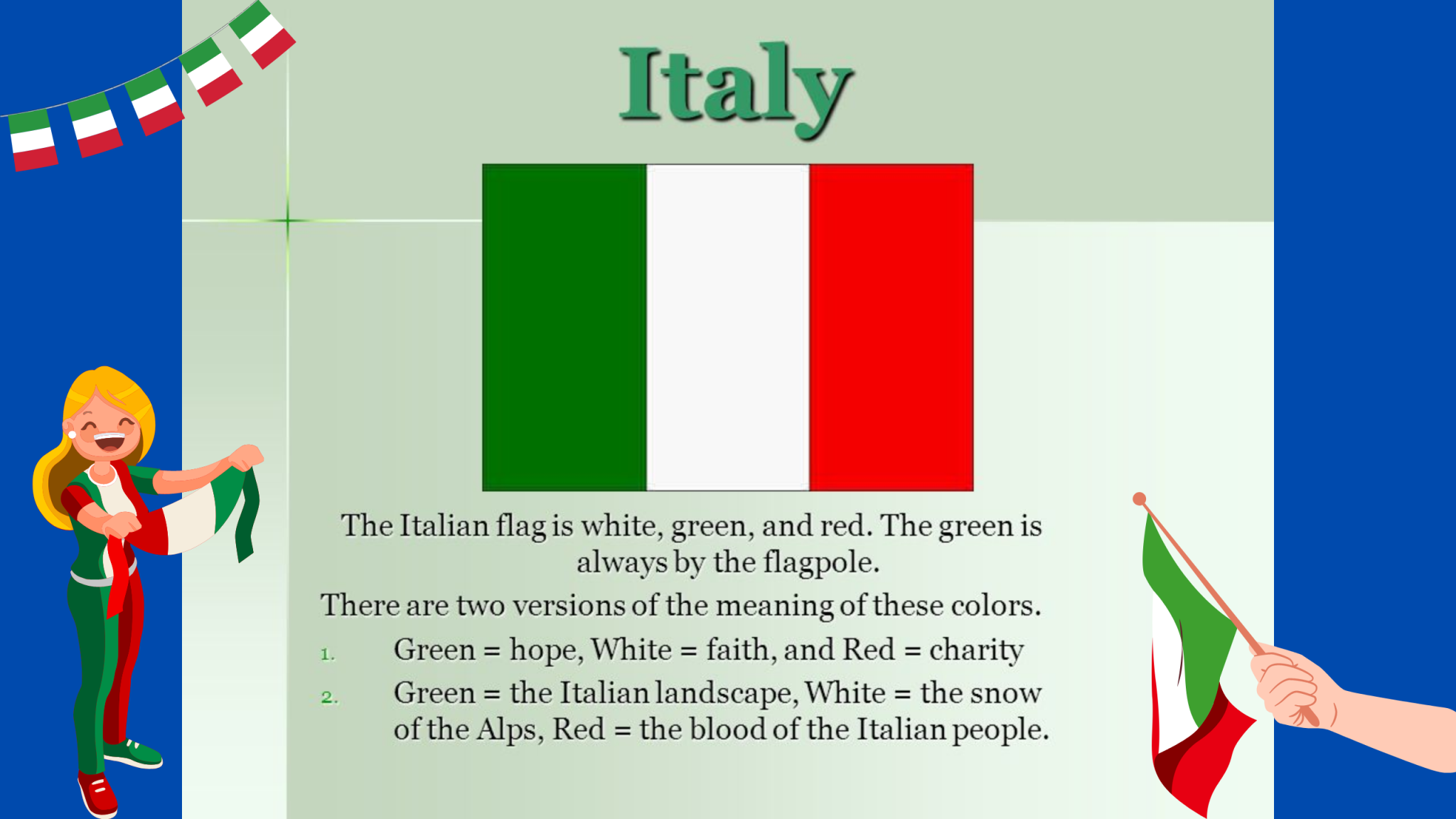
The origins of the Italian flag can be traced back to the late 18th century, during the tumultuous period of the French Revolution. In 1797, Napoleon Bonaparte’s army conquered northern Italy and established a series of client republics, including the Cisalpine Republic. Inspired by the French tricolor, the Cisalpine Republic adopted a flag of green, white, and red, with the green stripe representing the fertile plains of Lombardy, the white stripe symbolizing the snow-capped Alps, and the red stripe representing the blood shed in the struggle for independence.
The Symbolism of the Tricolore

The colors of the Italian flag are imbued with deep symbolism. Green, the color of nature and growth, represents the fertile agricultural lands of Italy. White, the color of purity and peace, symbolizes the nation’s desire for unity and harmony. Red, the color of blood and sacrifice, pays tribute to the countless Italians who have fought and died for their country’s freedom.
The Evolution of the Tricolore
Over the years, the Italian flag has undergone several modifications. In 1802, the Cisalpine Republic was renamed the Italian Republic, and the flag was modified to include a golden eagle on a red background in the center. After the fall of Napoleon in 1814, the Italian flag was briefly replaced by the flags of the various Italian states. However, in 1848, during the First Italian War of Independence, the Tricolore was once again adopted as the national flag, becoming a symbol of the struggle for Italian unification.
The Tricolore and Italian Unification
The Italian flag played a pivotal role in the process of Italian unification. During the Risorgimento, the period of nationalistic fervor and political upheaval that led to the creation of a unified Italian state, the Tricolore became a rallying point for patriots and revolutionaries. It was flown on battlefields, at political rallies, and in the streets of cities throughout Italy, inspiring a sense of national unity and purpose.
The Tricolore Today
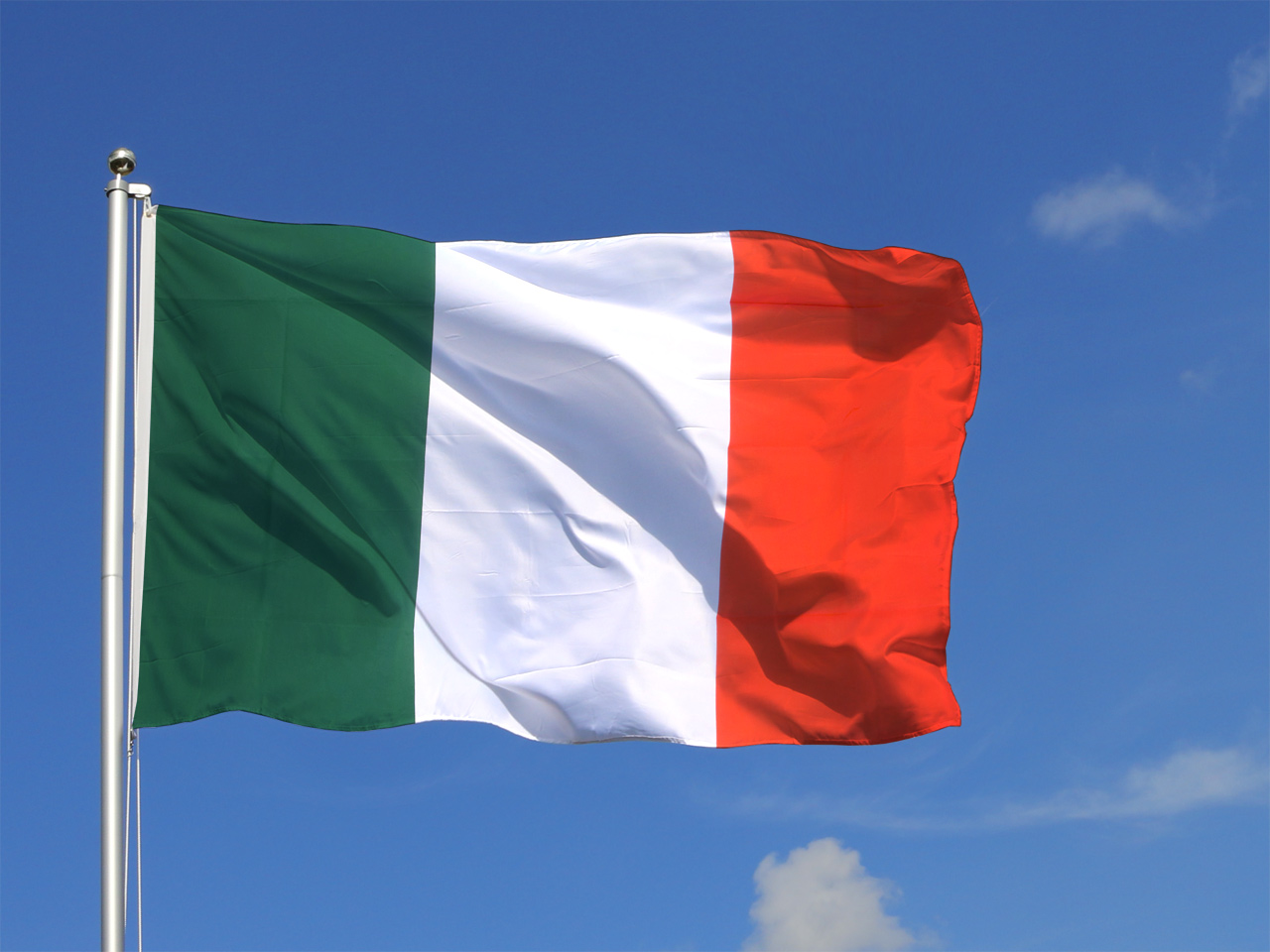
Today, the Italian flag is a cherished symbol of national pride and identity. It flies atop government buildings, schools, and military installations, and is proudly displayed by Italians at home and abroad. The Tricolore is also a popular motif in art, literature, and fashion, representing the rich cultural heritage of Italy.
Advantages and Disadvantages of Bild Italien Flagge
Advantages

- Strong Symbolism: The Italian flag is a powerful symbol of national pride, unity, and sacrifice. Its colors represent the fertile lands, the snow-capped Alps, and the blood shed in the struggle for independence.
- Historical Significance: The Italian flag has a long and storied history, dating back to the late 18th century. It has been flown on battlefields, flown atop government buildings, and inspired countless works of art and literature.
- Cultural Icon: The Italian flag is a beloved cultural icon, representing the rich heritage of Italy. It is proudly displayed in homes, businesses, and public spaces, and is a popular motif in art, literature, and fashion.

Disadvantages
- Limited Color Palette: The Italian flag has a limited color palette, consisting of only three colors. This can make it difficult to incorporate the flag into certain design schemes or applications.
- Potential for Misinterpretation: The Italian flag is similar to the flags of other countries, such as Ireland and Mexico. This can lead to confusion or misinterpretation, especially when the flag is displayed in a foreign context.
- Maintenance Considerations: The Italian flag is made of a delicate fabric that requires careful handling and maintenance. It can be easily torn or damaged, especially when exposed to harsh weather conditions.


Summary of Bild Italien Flagge

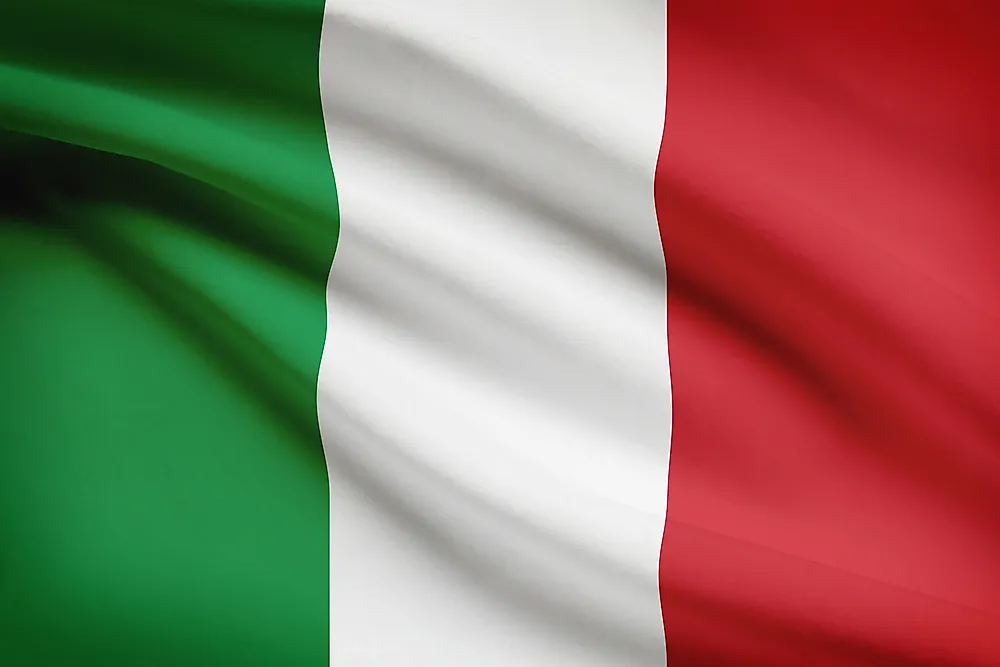
The Italian flag, known as the "Tricolore," is a powerful symbol of national pride and unity. Its green, white, and red stripes represent the fertile plains of Lombardy, the snow-capped Alps, and the blood shed in the struggle for independence. The flag has a long and storied history, dating back to the late 18th century, and has played a pivotal role in the process of Italian unification. Today, the Italian flag is a cherished symbol of national identity, proudly displayed at home and abroad.
Q&A on Bild Italien Flagge

Q: What are the colors of the Italian flag?

A: The Italian flag consists of three vertical stripes of green, white, and red.
Q: What do the colors of the Italian flag represent?
A: Green represents the fertile plains of Lombardy, white represents the snow-capped Alps, and red represents the blood shed in the struggle for independence.
Q: When was the Italian flag first adopted?
A: The Italian flag was first adopted in 1797 by the Cisalpine Republic, a client state of Napoleon Bonaparte.
Q: What is the significance of the Italian flag?
A: The Italian flag is a powerful symbol of national pride, unity, and sacrifice. It has been flown on battlefields, flown atop government buildings, and inspired countless works of art and literature.
Q: Where can I find the Italian flag?
A: The Italian flag can be found flying atop government buildings, schools, and military installations throughout Italy. It is also proudly displayed by Italians at home and abroad.
Conclusion
The Italian flag is a powerful symbol of national pride, unity, and sacrifice. Its colors represent the fertile lands, the snow-capped Alps, and the blood shed in the struggle for independence. The flag has a long and storied history, dating back to the late 18th century, and has played a pivotal role in the process of Italian unification. Today, the Italian flag is a cherished symbol of national identity, proudly displayed at home and abroad.

Closure
Thus, we hope this article has provided valuable insights into Bild Italien Flagge: A Comprehensive Guide to the Italian Flag. We thank you for taking the time to read this article. See you in our next article!
