
In this auspicious occasion, we are delighted to delve into the intriguing topic related to Bild Karneval der Tiere: Unraveling the Symphony of Nature. Let’s weave interesting information and offer fresh perspectives to the readers.
Bild Karneval der Tiere: Unraveling the Symphony of Nature
Introduction
Prepare yourself for an enchanting journey into the captivating world of Bild Karneval der Tiere, a musical masterpiece that has captivated audiences for generations. Composed by the brilliant Camille Saint-Saëns, this whimsical orchestral suite paints a vivid sonic portrait of the animal kingdom, each movement embodying the unique characteristics and personalities of various creatures. Join us as we delve into the rich tapestry of Bild Karneval der Tiere, exploring its captivating history, irresistible charm, and profound impact on the art of music.
The Genesis of a Masterpiece
Bild Karneval der Tiere was born out of a playful jest. In 1886, Saint-Saëns composed the suite as a private entertainment for a group of friends during Mardi Gras. The work was initially intended to be performed only once, but its infectious melodies and witty orchestrations quickly gained popularity. By 1922, Bild Karneval der Tiere had made its way onto the concert stage, captivating audiences with its whimsical charm and musical brilliance.
A Symphony of Characters
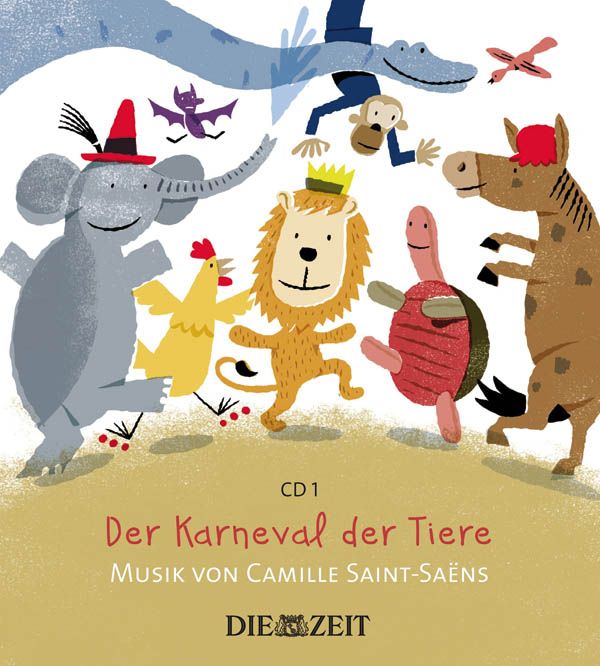
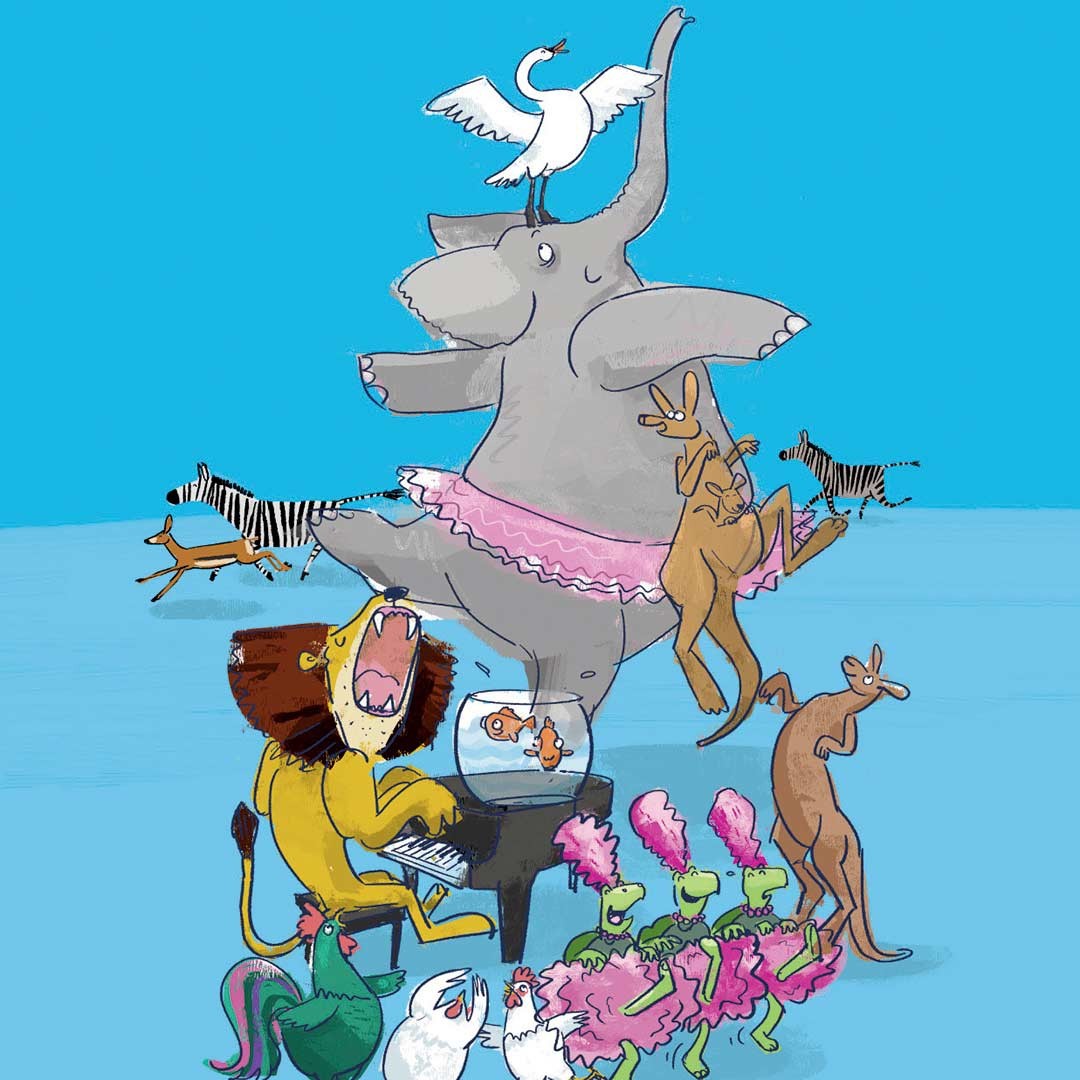
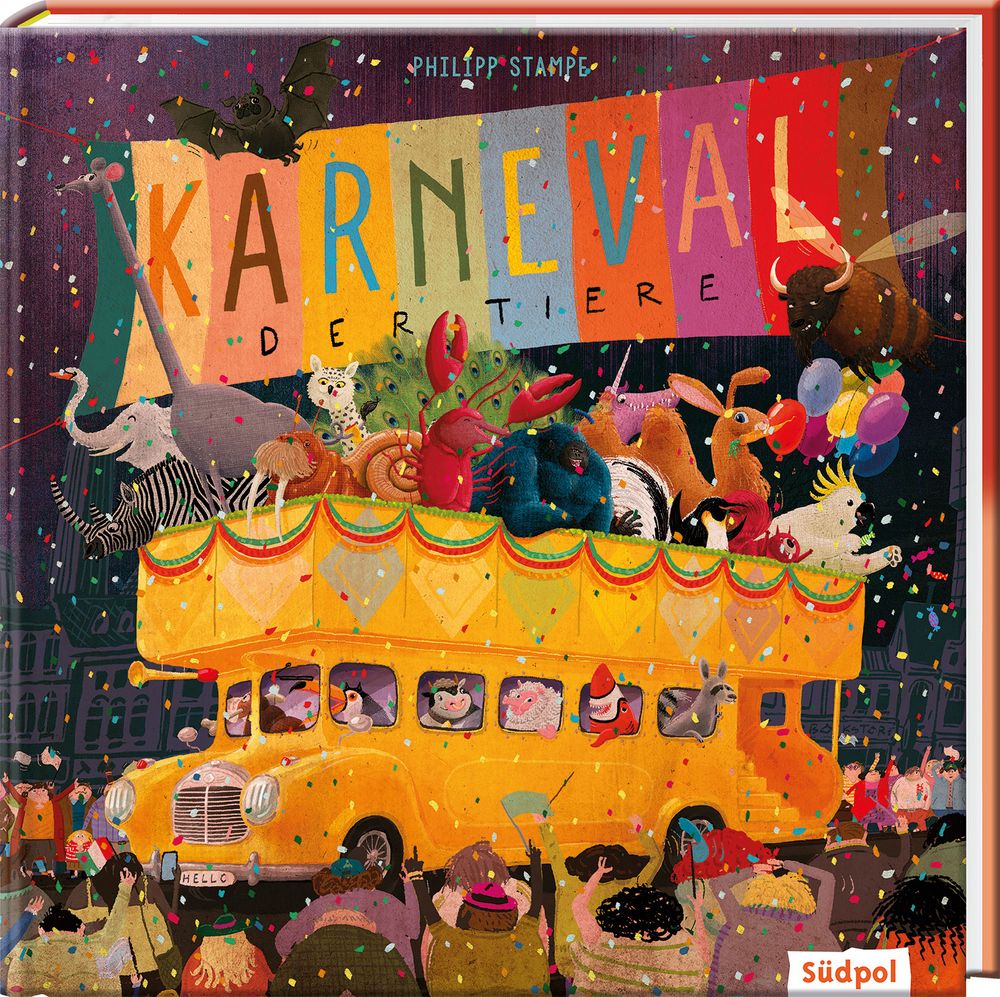
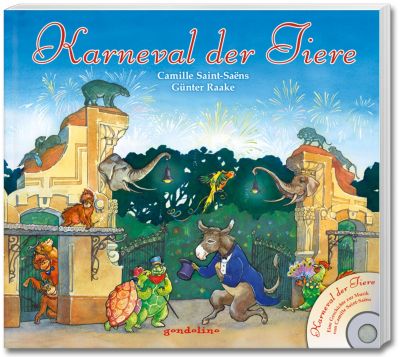
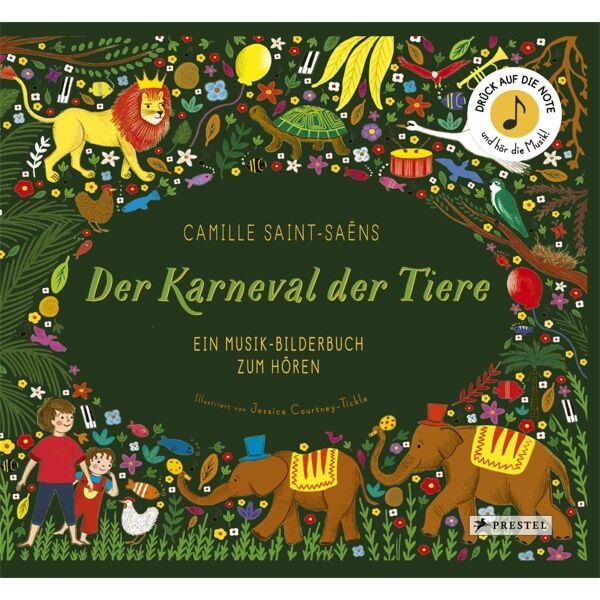
Bild Karneval der Tiere is a musical zoo, each movement dedicated to a specific animal or group of animals. From the majestic roar of the lion to the playful antics of the kangaroos, Saint-Saëns captures the essence of each creature with remarkable accuracy and humor. The suite’s fourteen movements include:
- Introduction et Marche Royale du Lion
- Poules et Coqs
- Hémiones (Animaux Sauvages)
- Tortues
- L’Éléphant
- Kangourous
- Aquarium
- Personnages à Longues Oreilles
- Le Coucou au Fond des Bois
- Volière
- Pianistes
- Fossiles
- Le Cygne
- Finale



Musical Masterstrokes
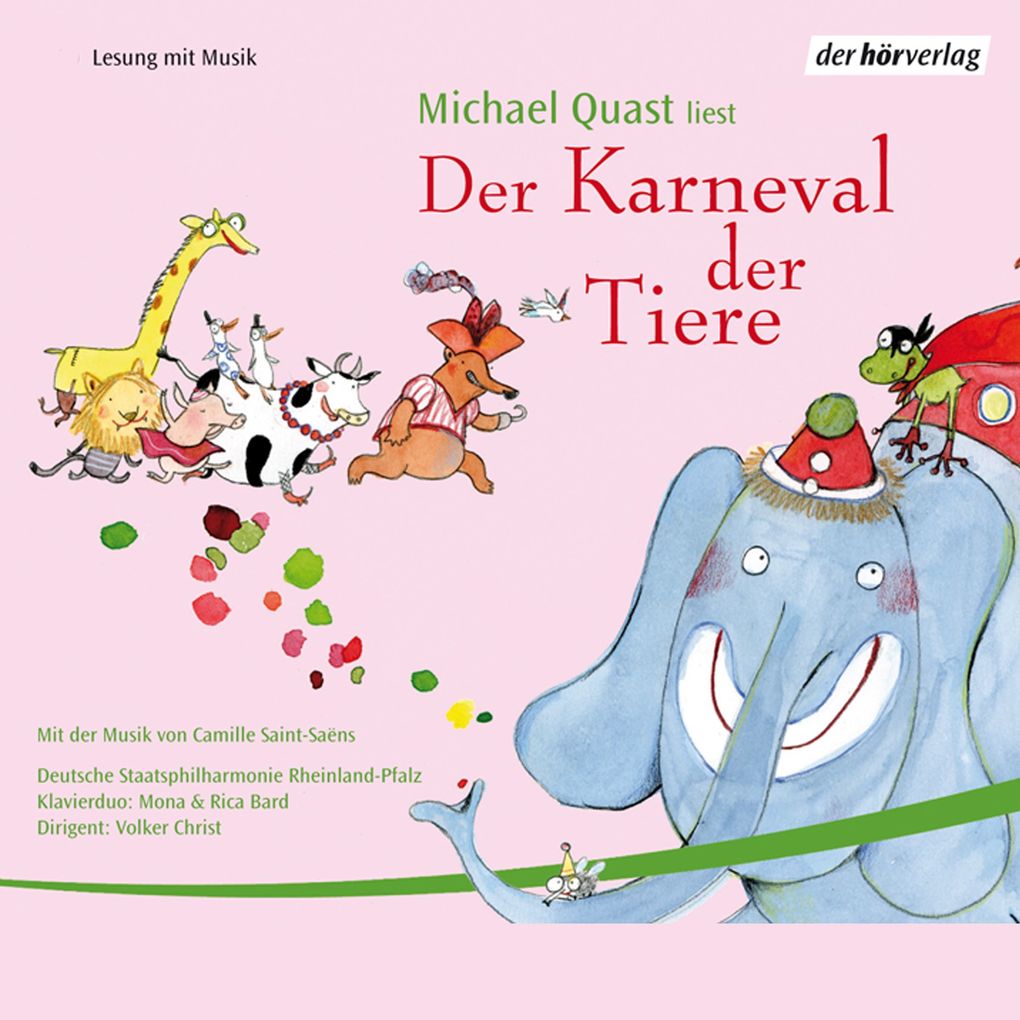
Saint-Saëns’s musical genius shines through in every movement of Bild Karneval der Tiere. The orchestration is both inventive and evocative, using a wide range of instruments to create vivid sonic landscapes. The melodies are memorable and playful, capturing the essence of each animal’s personality. From the stately grandeur of the lion’s march to the delicate grace of the swan’s dance, Saint-Saëns’s music transports listeners to a world of imagination and wonder.
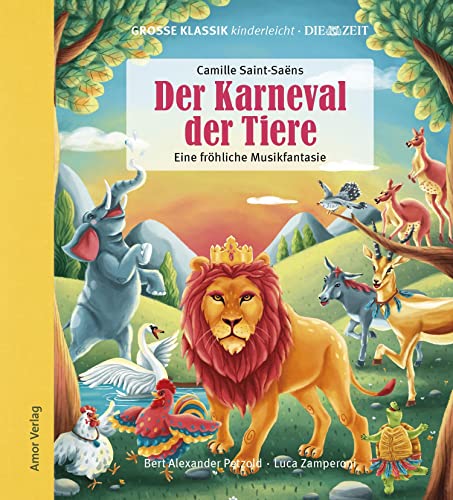
The Educational Value of Bild Karneval der Tiere
Beyond its entertainment value, Bild Karneval der Tiere has also served as a valuable educational tool for generations of young musicians. The suite’s accessible melodies and clear instrumentation make it an ideal introduction to the orchestra. Through the study of Bild Karneval der Tiere, students can develop their musical skills, learn about different instruments, and appreciate the beauty of classical music.

The Legacy of Bild Karneval der Tiere

Bild Karneval der Tiere has had a profound impact on the world of music. Its popularity has inspired countless composers to create their own animal-themed works. The suite’s whimsical charm has also made it a favorite of animators and filmmakers, who have used its music to create memorable scenes in movies and cartoons. Today, Bild Karneval der Tiere remains a beloved classic, enjoyed by audiences of all ages.
Advantages and Disadvantages of Bild Karneval der Tiere
Advantages:
- Captivating melodies and playful orchestrations
- Educational value for young musicians
- Accessible introduction to the orchestra
- Timeless appeal for audiences of all ages
- Historical significance as a musical masterpiece
Disadvantages:
- Limited musical complexity compared to other classical works
- Can be perceived as overly simplistic by some listeners
- Lack of a cohesive narrative or storyline
- Short duration, leaving listeners wanting more
- Potential for repetition due to its episodic nature
Closure
Thus, we hope this article has provided valuable insights into Bild Karneval der Tiere: Unraveling the Symphony of Nature. We hope you find this article informative and beneficial. See you in our next article!
