
In this auspicious occasion, we are delighted to delve into the intriguing topic related to Jackson Pollock: The Revolutionary Artist of Abstract Expressionism. Let’s weave interesting information and offer fresh perspectives to the readers.
Jackson Pollock: The Revolutionary Artist of Abstract Expressionism

Introduction
In the annals of art history, few names evoke such a profound sense of artistic innovation and raw emotional expression as Jackson Pollock. As a pioneer of Abstract Expressionism, Pollock’s groundbreaking techniques and iconic drip paintings shattered conventional artistic norms, forever altering the course of modern art.
Early Life and Artistic Influences
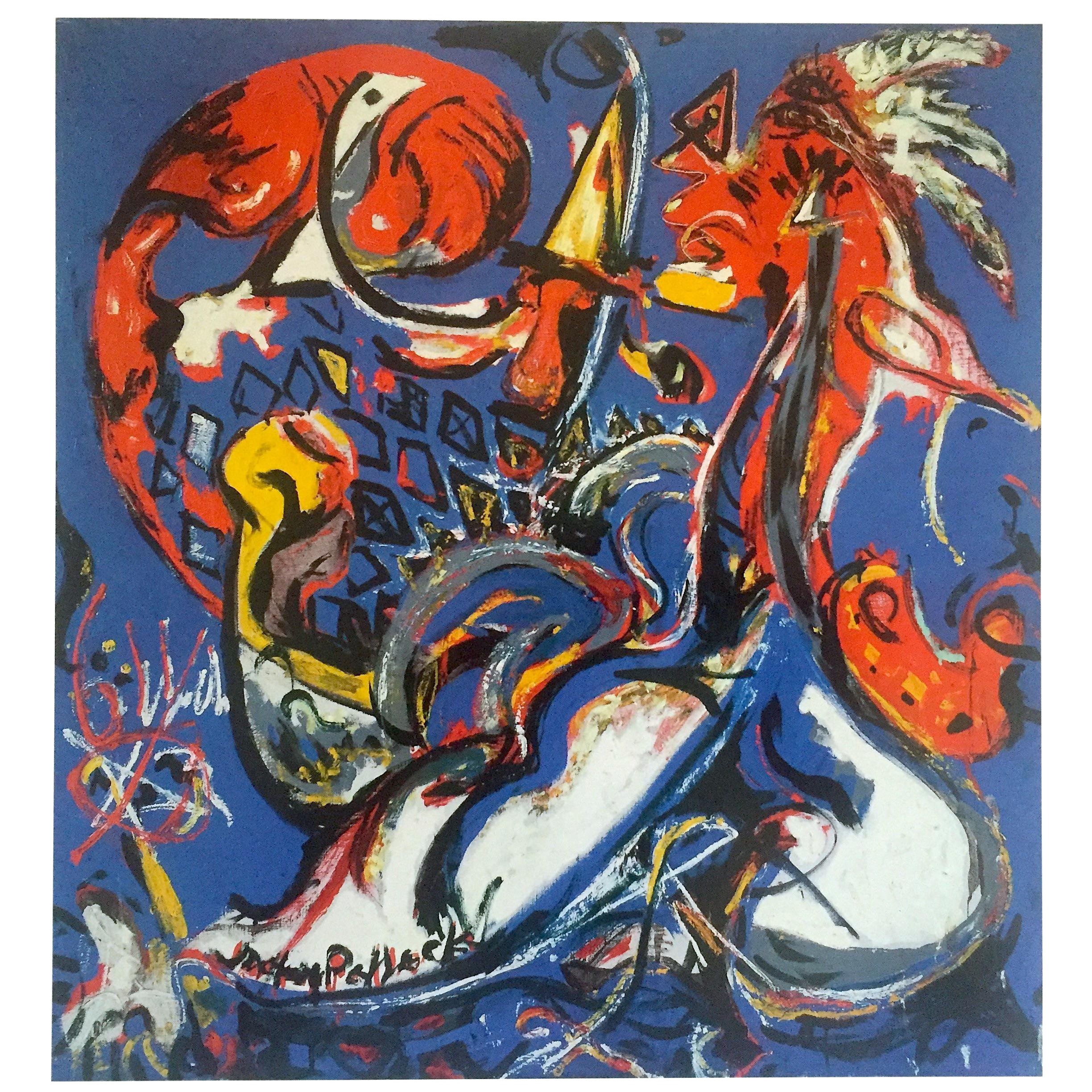
Jackson Pollock was born in Cody, Wyoming, in 1912. His early exposure to Native American art and the rugged landscapes of the American West instilled in him a deep appreciation for the power of abstraction and the boundless possibilities of artistic expression. Pollock’s artistic journey began in New York City, where he studied under the renowned muralist Thomas Hart Benton. Benton’s emphasis on figuration and social realism initially influenced Pollock’s work, but his true artistic breakthrough lay in his exploration of abstraction.
The Birth of Abstract Expressionism

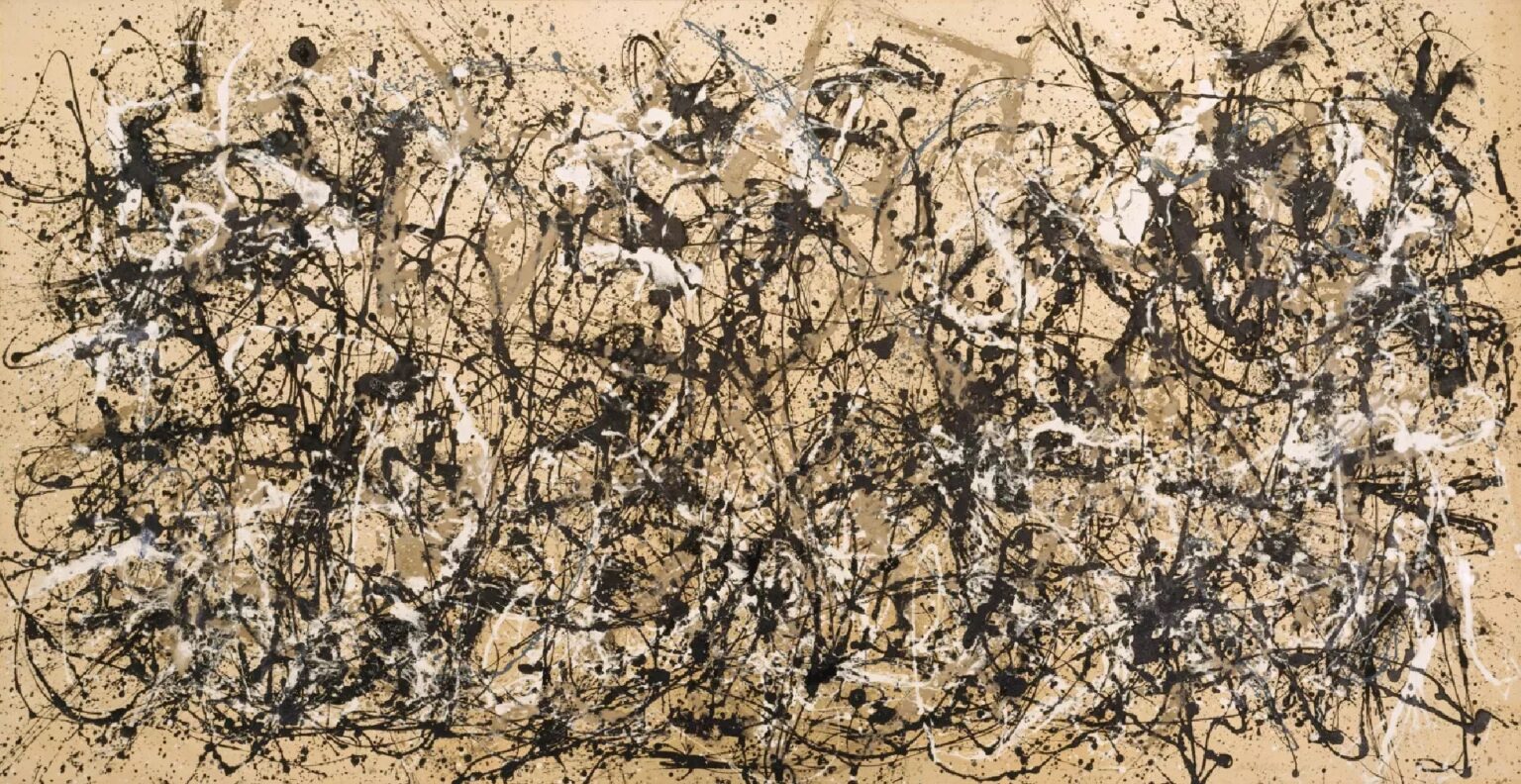
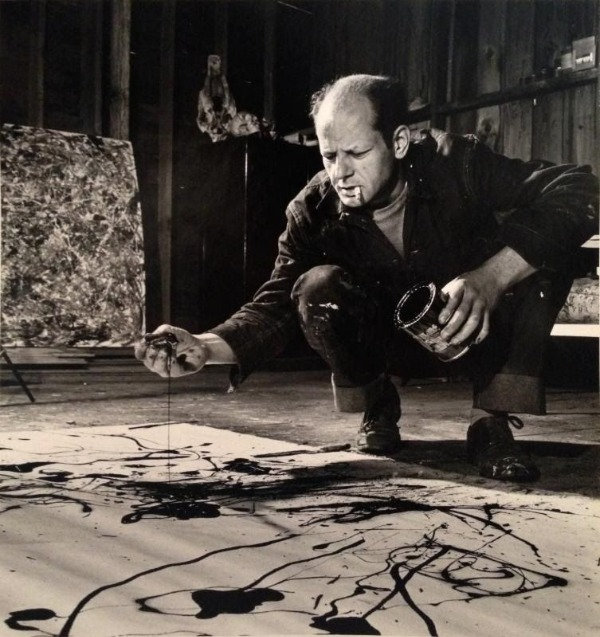
In the post-World War II era, Pollock emerged as a leading figure in the burgeoning Abstract Expressionist movement. This artistic movement rejected the traditional constraints of representation and embraced the notion that art could convey emotions and ideas through non-figurative forms. Pollock’s unique approach to painting involved pouring, dripping, and splattering paint directly onto large canvases laid on the floor.
The Drip Paintings
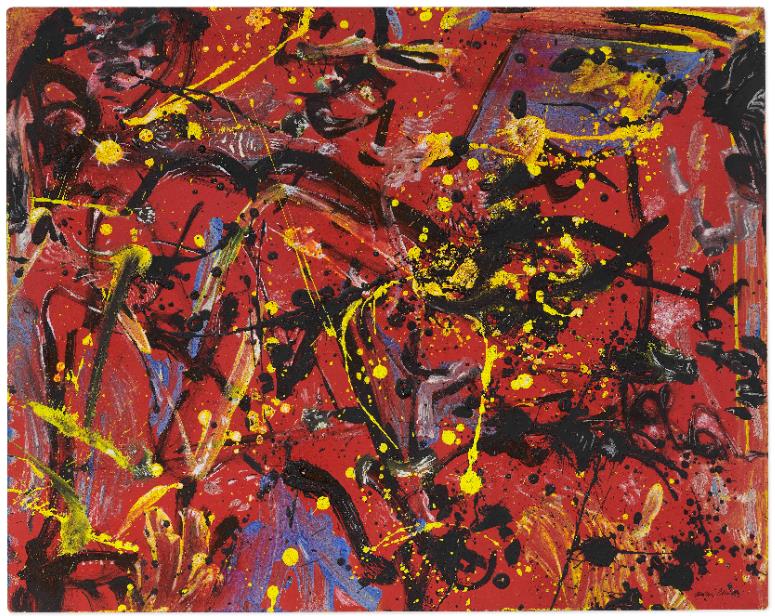
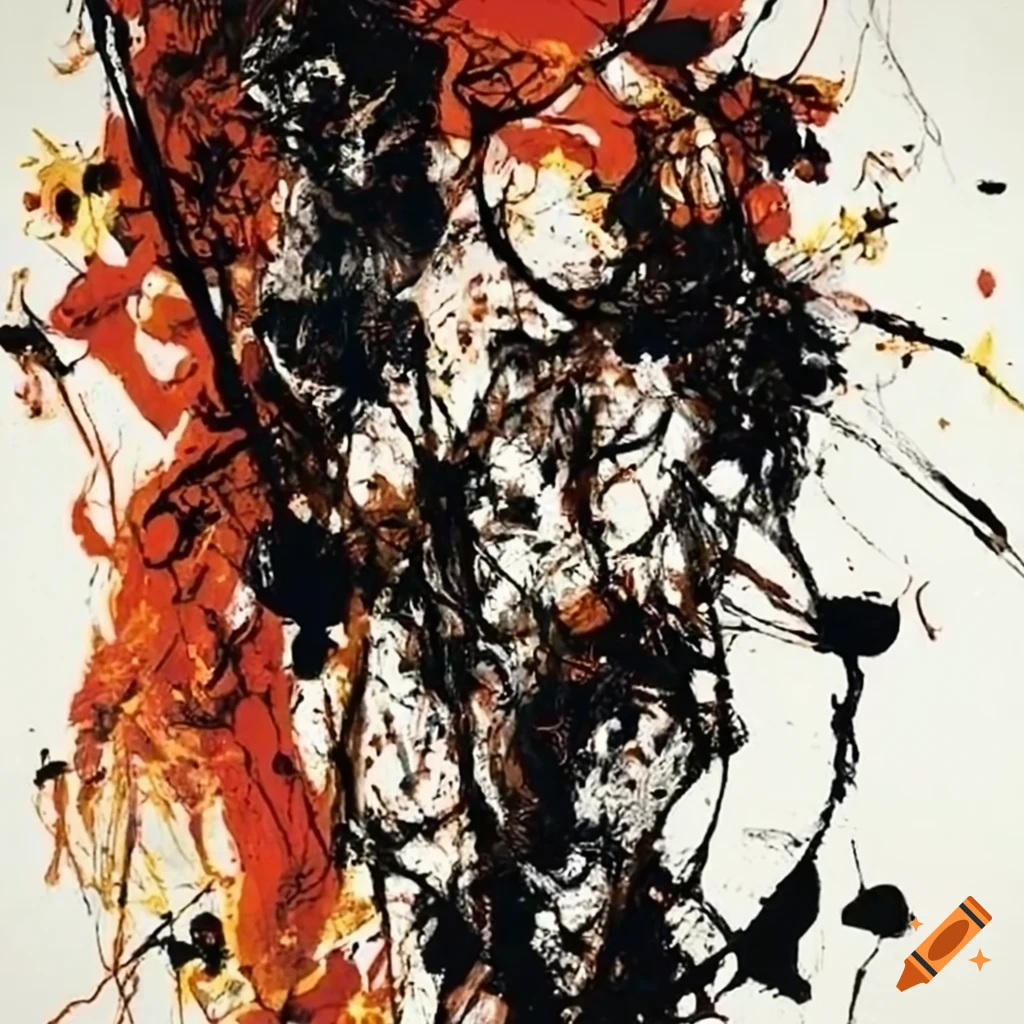
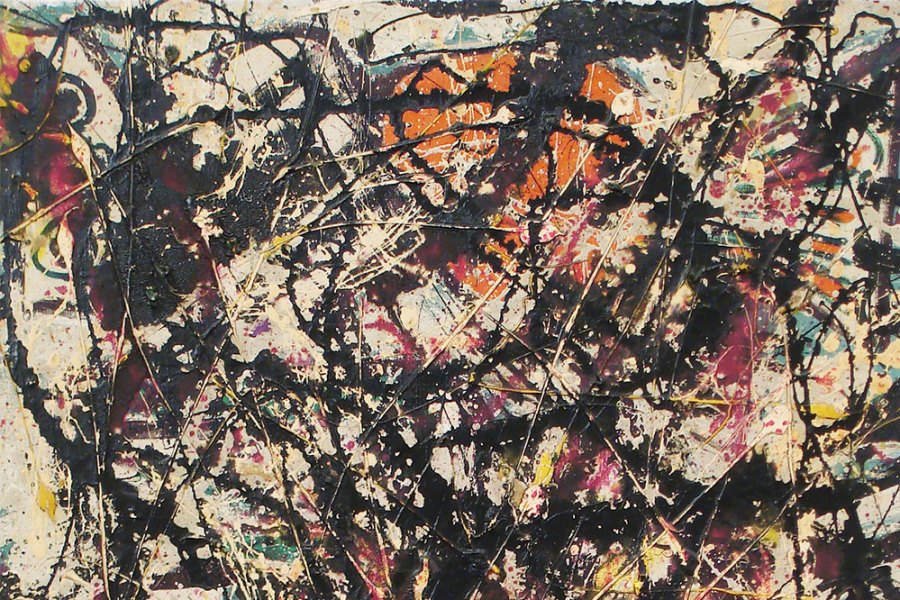
Pollock’s drip paintings are his most iconic works. By pouring and dripping paint onto the canvas, he created intricate patterns and textures that evoked a sense of chaos and spontaneity. His large-scale paintings, often spanning several feet in length, became immersive experiences that enveloped the viewer in a whirlwind of color and emotion. Pollock’s drip technique allowed him to express his subconscious impulses and explore the relationship between chance and control.
Influence on Art History
Pollock’s innovative techniques and groundbreaking style had a profound impact on the development of modern art. He challenged the traditional notion of the artist as a skilled craftsman and instead embraced the idea of the artist as a conduit for raw emotion. Pollock’s work inspired a generation of artists to experiment with abstraction and explore the boundaries of artistic expression.

Critical Reception and Legacy
Pollock’s work initially faced mixed reactions from critics, who were accustomed to the more traditional forms of art. However, as the Abstract Expressionist movement gained momentum, Pollock’s paintings gained recognition for their groundbreaking innovation. Today, Pollock is widely regarded as one of the most important artists of the 20th century, and his work continues to inspire and fascinate audiences worldwide.
Advantages and Disadvantages of Jackson Pollock’s Art
Advantages:
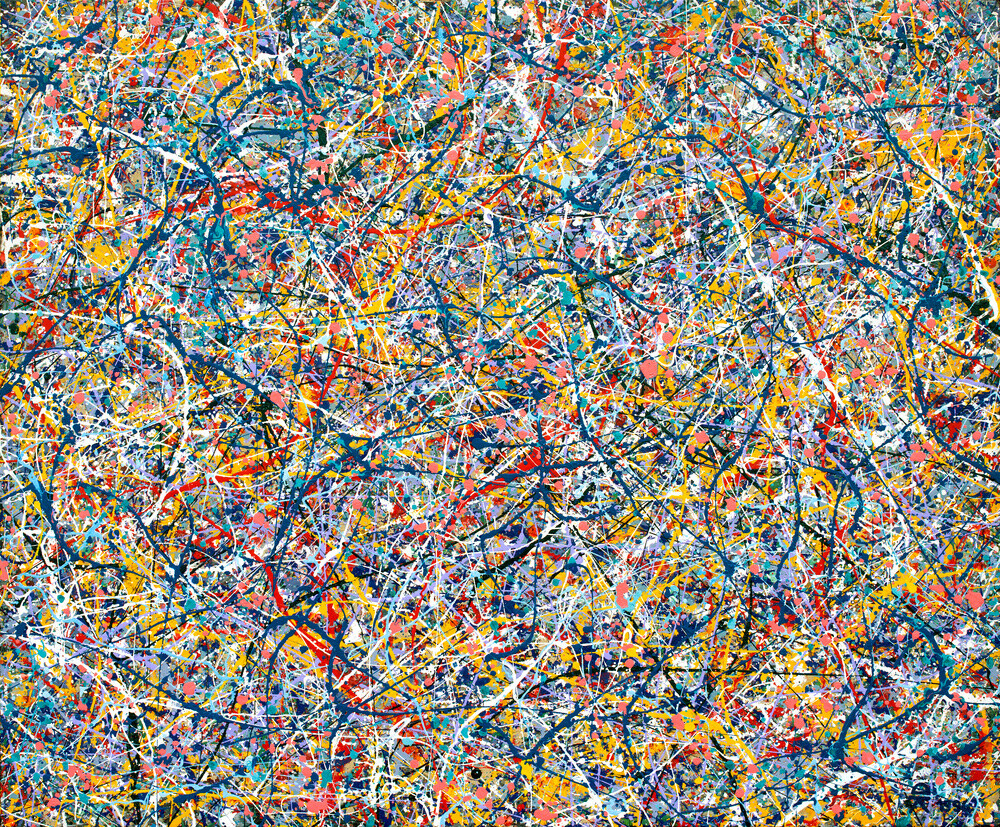
- Emotional Expressiveness: Pollock’s drip paintings convey a raw and visceral sense of emotion, allowing viewers to connect with the artist’s inner world.
- Innovative Techniques: His unique pouring and dripping technique revolutionized the way artists approached painting, opening up new possibilities for artistic expression.
- Influence on Art History: Pollock’s work had a profound impact on the development of modern art, inspiring a generation of artists to explore abstraction and push the boundaries of artistic expression.
Disadvantages:

- Lack of Figurative Representation: Pollock’s paintings do not depict recognizable objects or figures, which can make them difficult for some viewers to connect with.
- Subjectivity: The abstract nature of Pollock’s work leaves much open to interpretation, making it challenging to establish objective criteria for evaluating its quality.
- Limited Technical Skill: Pollock’s emphasis on spontaneity and chance often resulted in paintings that lack the technical finesse and precision found in more traditional forms of art.


Summary
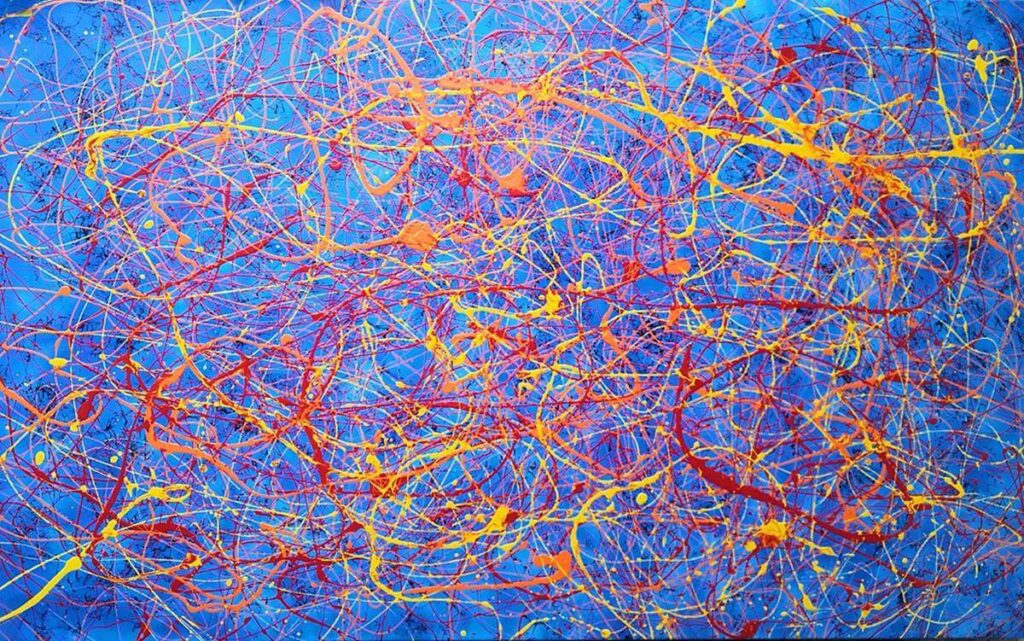
Jackson Pollock was a revolutionary artist whose innovative techniques and groundbreaking style transformed the course of modern art. His drip paintings, created by pouring and dripping paint onto large canvases laid on the floor, evoked a sense of chaos and spontaneity that challenged conventional artistic norms. Pollock’s work had a profound influence on art history, inspiring a generation of artists to experiment with abstraction and explore the boundaries of artistic expression.
Q&As
-
What is the significance of Jackson Pollock’s drip technique?
Pollock’s drip technique allowed him to express his subconscious impulses and explore the relationship between chance and control, creating intricate patterns and textures that evoked a sense of chaos and spontaneity. -
How did Jackson Pollock’s work influence the development of modern art?
Pollock’s groundbreaking techniques and innovative style challenged traditional artistic norms, opening up new possibilities for artistic expression and inspiring a generation of artists to experiment with abstraction. -
What are the advantages of Jackson Pollock’s art?
Pollock’s art offers emotional expressiveness, innovative techniques, and a significant influence on art history, revolutionizing the way artists approached painting and pushing the boundaries of artistic expression. -
What are the disadvantages of Jackson Pollock’s art?
Pollock’s art can be criticized for its lack of figurative representation, subjectivity, and limited technical skill, which can make it challenging for some viewers to connect with and evaluate its quality. -
What is Jackson Pollock’s legacy in the art world?
Jackson Pollock is widely regarded as one of the most important artists of the 20th century, and his work continues to inspire and fascinate audiences worldwide, solidifying his legacy as a pioneer of Abstract Expressionism.
Conclusion
Jackson Pollock’s revolutionary artistic techniques and groundbreaking style forever altered the course of modern art. His drip paintings, characterized by their intricate patterns and raw emotional expression, challenged conventional norms and inspired a generation of artists to embrace abstraction and explore the boundaries of artistic expression. Pollock’s legacy as a pioneer of Abstract Expressionism continues to resonate in the art world, solidifying his place as one of the most influential artists of the 20th century.
Closure
Thus, we hope this article has provided valuable insights into Jackson Pollock: The Revolutionary Artist of Abstract Expressionism. We thank you for taking the time to read this article. See you in our next article!
