
With great pleasure, we will explore the intriguing topic related to Maus Bild Comic: Unlocking the Power of Visual Storytelling. Let’s weave interesting information and offer fresh perspectives to the readers.
Maus Bild Comic: Unlocking the Power of Visual Storytelling

Introduction
Welcome, aspiring artists and visual storytellers! In the realm of comics and graphic novels, Maus Bild Comic stands as a beacon of innovation, captivating readers with its unique blend of artistry and narrative prowess. Join us on an extraordinary journey as we delve into the captivating world of Maus Bild Comic, exploring its rich history, myriad benefits, and undeniable value.
The Dawn of Maus Bild Comic
The origins of Maus Bild Comic can be traced back to the early 20th century, when artists and writers sought to break free from the confines of traditional storytelling. Inspired by the works of pioneers like Rodolphe Töpffer and Winsor McCay, they embraced the power of sequential imagery to convey complex narratives.
The Essence of Maus Bild Comic
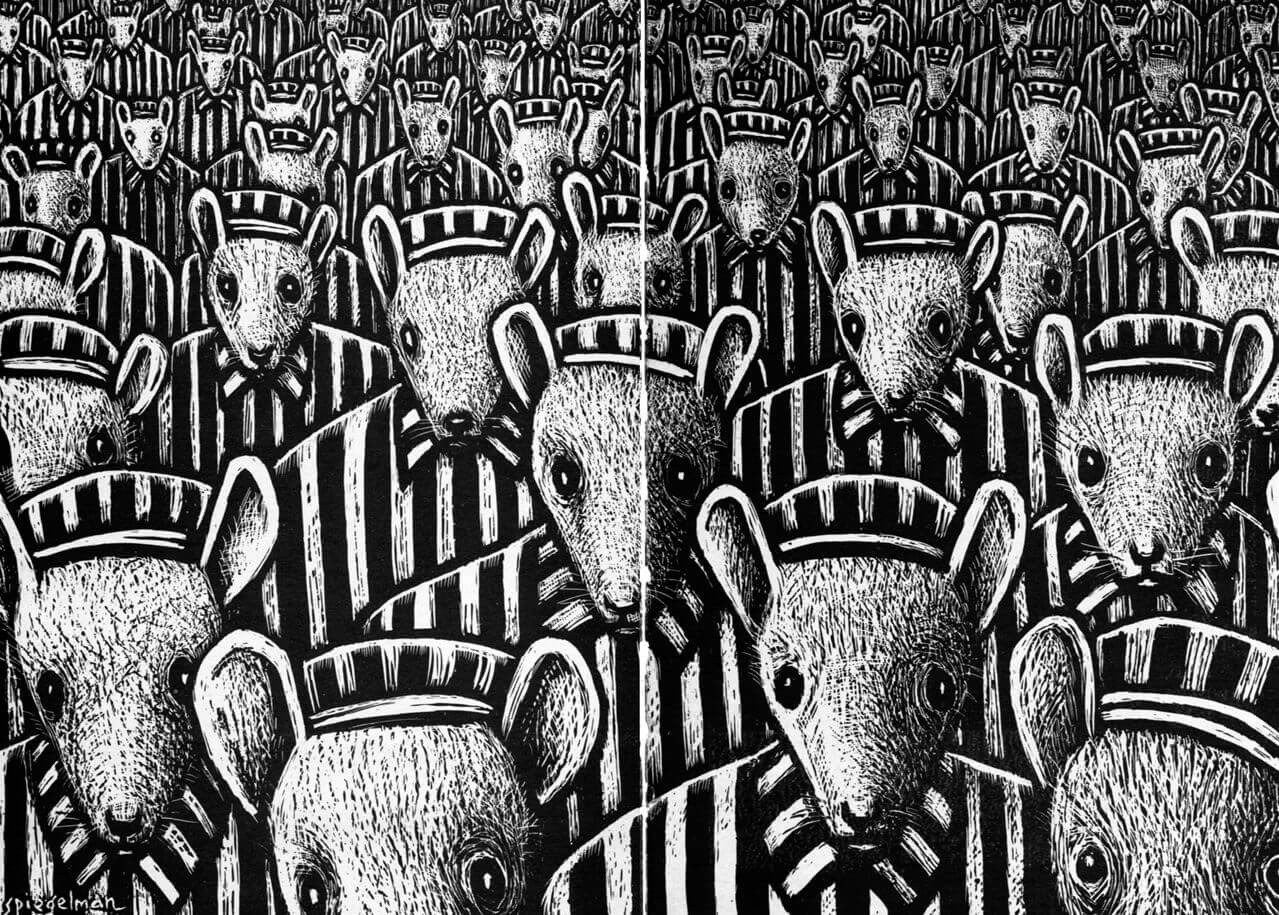
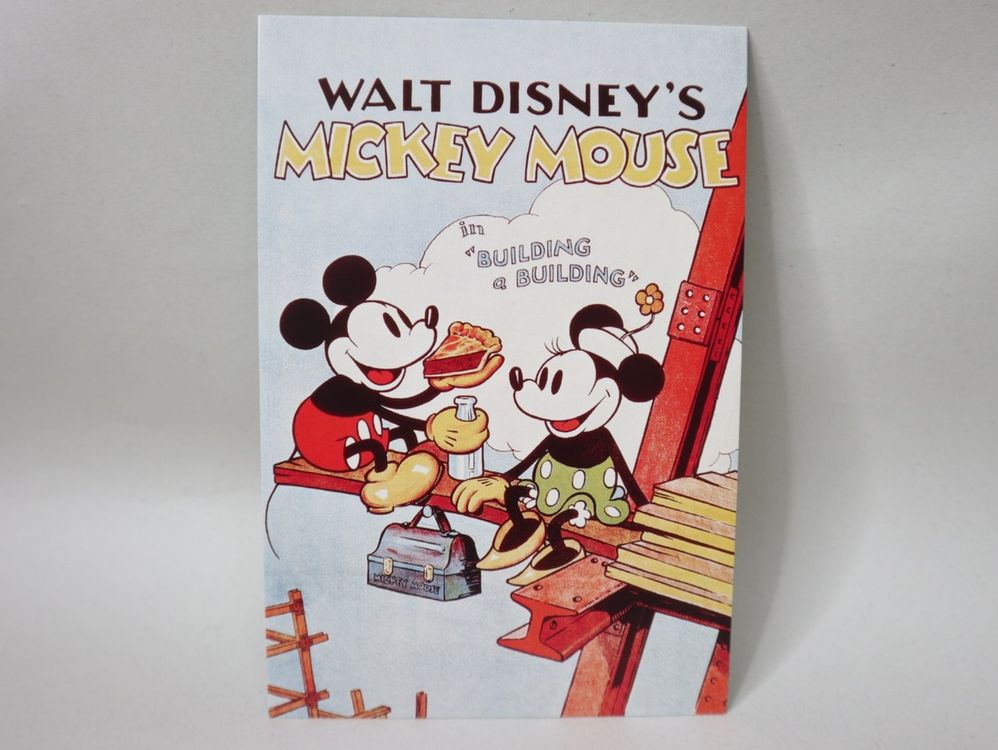
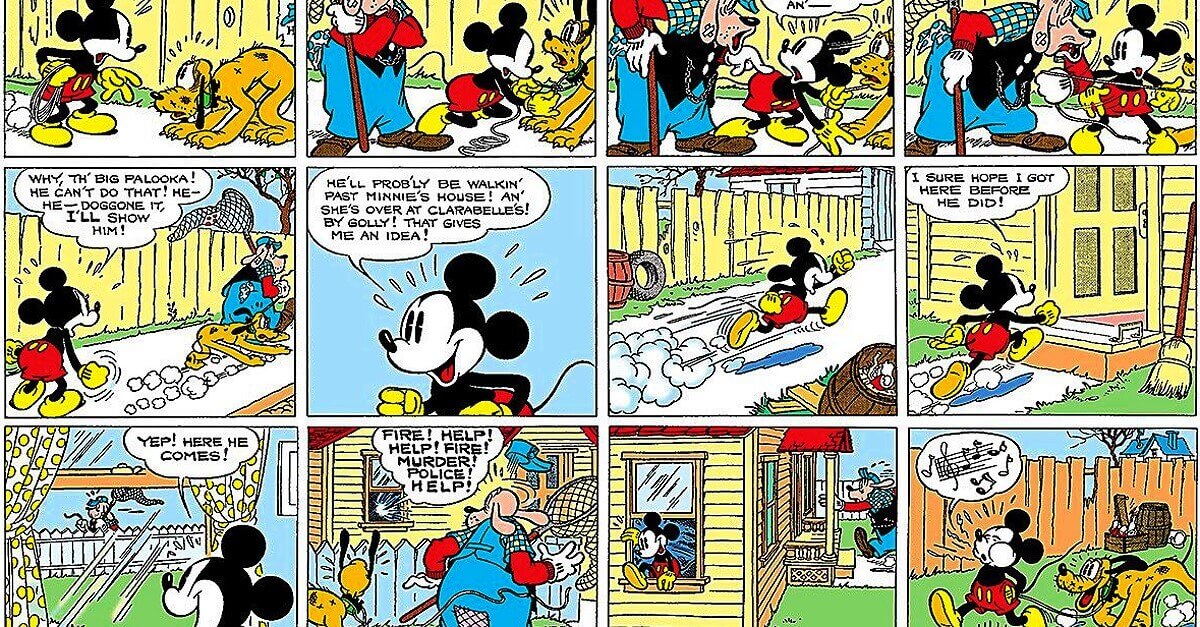
Maus Bild Comic, literally translating to "mouse image comic," is a distinctive genre that utilizes anthropomorphic animal characters to depict human experiences and emotions. This innovative approach allows artists to explore profound themes and social commentary with a playful and accessible touch.
The Artistic Canvas of Maus Bild Comic
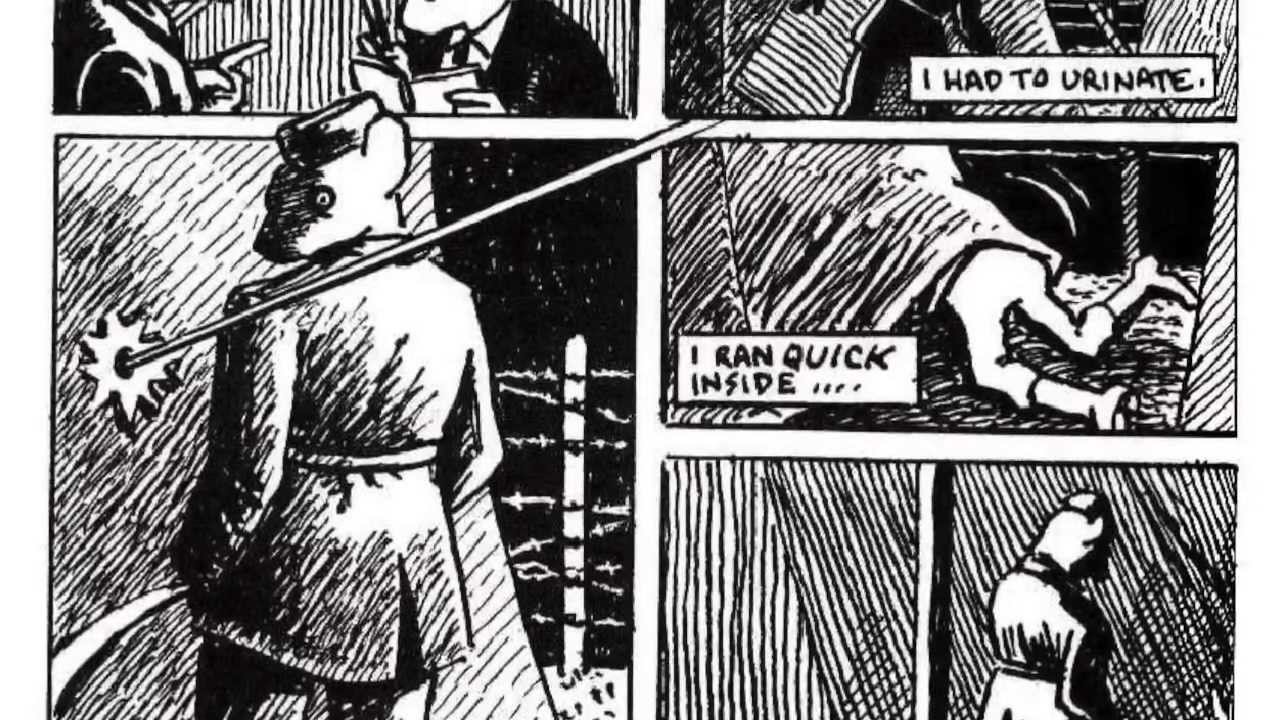
Maus Bild Comic artists employ a wide range of artistic styles, from the minimalist linework of Art Spiegelman to the vibrant brushstrokes of Marjane Satrapi. This diversity reflects the genre’s inherent versatility, catering to a broad spectrum of artistic sensibilities.
The Narrative Power of Maus Bild Comic
Beyond its captivating visuals, Maus Bild Comic possesses an unparalleled ability to convey complex narratives. Through the interplay of images and text, artists can explore intricate plotlines, develop compelling characters, and evoke powerful emotions in readers.
The Social Commentary of Maus Bild Comic
Maus Bild Comic has often been used as a powerful tool for social commentary. Artists like Art Spiegelman and Joe Sacco have employed the genre to confront issues of the Holocaust, war, and political oppression, challenging readers to reflect on the human condition.
The Educational Value of Maus Bild Comic
In addition to its artistic and narrative merits, Maus Bild Comic also holds significant educational value. Graphic novels can serve as engaging and accessible tools for teaching history, literature, and social studies, fostering critical thinking and empathy in students.
Advantages of Maus Bild Comic

Captivating Visuals: The use of anthropomorphic characters and striking imagery makes Maus Bild Comic visually appealing and engaging, drawing readers into the narrative.


Narrative Accessibility: The sequential nature of Maus Bild Comic allows for complex narratives to be presented in a clear and accessible manner, making it suitable for readers of all ages and backgrounds.


Social Commentary: Maus Bild Comic provides a powerful platform for artists to explore social issues and challenge readers to reflect on the human condition.

Educational Value: Graphic novels can serve as valuable educational tools, fostering critical thinking, empathy, and an understanding of complex historical and social issues.

Artistic Diversity: Maus Bild Comic embraces a wide range of artistic styles, allowing artists to express their unique perspectives and cater to a diverse audience.
Disadvantages of Maus Bild Comic
-
Limited Realism: The use of anthropomorphic characters can sometimes limit the realism of the narrative, potentially affecting the emotional impact of certain stories.
-
Cultural Bias: Maus Bild Comic, like any form of art, can be influenced by cultural biases, which may affect the representation of certain groups or perspectives.
-
Complexity: Some Maus Bild Comics can be complex and challenging to read, requiring a certain level of literacy and cultural knowledge.
-
Limited Accessibility: While Maus Bild Comic has gained popularity, it may not be as widely accessible as other forms of literature, particularly in certain regions or communities.
-
Stereotypes: The use of anthropomorphic characters can sometimes perpetuate stereotypes, which may be problematic if not handled sensitively.
Summary of Maus Bild Comic
Maus Bild Comic is a unique and compelling genre that combines art and narrative to convey complex themes and social commentary. It offers advantages such as captivating visuals, narrative accessibility, social commentary, educational value, and artistic diversity. However, it also has potential disadvantages including limited realism, cultural bias, complexity, limited accessibility, and the risk of perpetuating stereotypes.
Q&As
Q: What is the main purpose of Maus Bild Comic?
A: Maus Bild Comic is primarily a form of storytelling that uses anthropomorphic characters and sequential imagery to convey complex narratives and explore social issues.
Q: What are some notable examples of Maus Bild Comic?
A: Notable examples include Art Spiegelman’s "Maus," Marjane Satrapi’s "Persepolis," and Joe Sacco’s "Palestine."
Q: How can Maus Bild Comic be used in education?
A: Maus Bild Comic can be used as an engaging and accessible tool for teaching history, literature, and social studies, fostering critical thinking and empathy in students.
Q: What are the challenges associated with creating Maus Bild Comic?
A: Creating Maus Bild Comic requires a balance between visual storytelling and narrative depth, as well as sensitivity to cultural biases and the potential for perpetuating stereotypes.
Q: What is the future of Maus Bild Comic?
A: Maus Bild Comic continues to evolve as artists explore new ways to combine art and narrative, offering exciting possibilities for future storytelling and social commentary.
Closure
Thus, we hope this article has provided valuable insights into Maus Bild Comic: Unlocking the Power of Visual Storytelling. We appreciate your attention to our article. See you in our next article!
