
With great pleasure, we will explore the intriguing topic related to Picasso’s Most Famous Painting: Unveiling the Masterpiece. Let’s weave interesting information and offer fresh perspectives to the readers.
Picasso’s Most Famous Painting: Unveiling the Masterpiece
Introduction
Pablo Picasso, the enigmatic and revolutionary artist of the 20th century, left an indelible mark on the art world with his groundbreaking contributions to Cubism, Surrealism, and beyond. Among his vast repertoire of masterpieces, one painting stands out as his most iconic and celebrated creation: Guernica. This monumental work, completed in 1937, has become a timeless symbol of the horrors of war and a poignant testament to Picasso’s unwavering commitment to social justice.
Historical Context: The Genesis of Guernica
The genesis of Guernica can be traced back to the tragic events of April 26, 1937, when the Basque town of Guernica was mercilessly bombed by Nazi Germany’s Condor Legion, in support of the Nationalist forces during the Spanish Civil War. The indiscriminate attack, which lasted for over three hours, resulted in the deaths of hundreds of innocent civilians and the complete destruction of the town.
Picasso, deeply moved by the news of the atrocity, felt an overwhelming sense of responsibility to use his art as a weapon against the forces of fascism and war. He immediately began work on Guernica, a monumental canvas that would serve as a powerful indictment of the senseless violence and suffering inflicted upon the people of Guernica.
Deconstructing Guernica: A Visual Symphony of Despair and Resilience
Guernica is a vast and complex painting, measuring over 11 feet tall and 25 feet wide. It depicts a chaotic and nightmarish scene of human and animal suffering, rendered in Picasso’s signature Cubist style. The canvas is dominated by a central figure of a dying horse, its body contorted in agony, its head thrown back in a piercing cry.
Surrounding the horse are a host of other figures, each representing a different aspect of the horrors of war. A weeping woman holds a dead child in her arms, while a man with outstretched arms pleads for help. A bull, a symbol of both strength and violence, looms over the scene, its eyes blazing with rage.
The Symbolism of Guernica: Unveiling the Hidden Meanings
Every element in Guernica is imbued with profound symbolism, reflecting Picasso’s deep understanding of the human condition and the devastating effects of war. The use of black, white, and gray evokes a sense of mourning and despair, while the fragmented and distorted figures represent the shattered lives of the victims.
The horse, a recurring motif in Picasso’s work, symbolizes both the suffering of the innocent and the indomitable spirit of the Spanish people. The bull, often associated with Spain, represents the destructive forces of war and the mindless brutality of the bombing.
The Impact of Guernica: A Global Symbol of Anti-War Sentiment
Guernica was unveiled at the 1937 Paris World’s Fair, where it caused a profound shock and outrage. The painting quickly became a rallying point for anti-war activists and a symbol of the horrors of fascism. It has since been exhibited in museums around the world, inspiring countless artists and activists to speak out against war and violence.
Guernica: A Timeless Masterpiece and a Legacy of Social Justice
Guernica stands as a testament to Picasso’s genius and his unwavering commitment to social justice. It is a powerful reminder of the devastating consequences of war and a timeless symbol of the human spirit’s resilience in the face of adversity. The painting continues to inspire and provoke, serving as a reminder of the importance of fighting against all forms of oppression and violence.
Additional Insights into Picasso’s Masterpiece
1. The Influence of Spanish Art and Culture
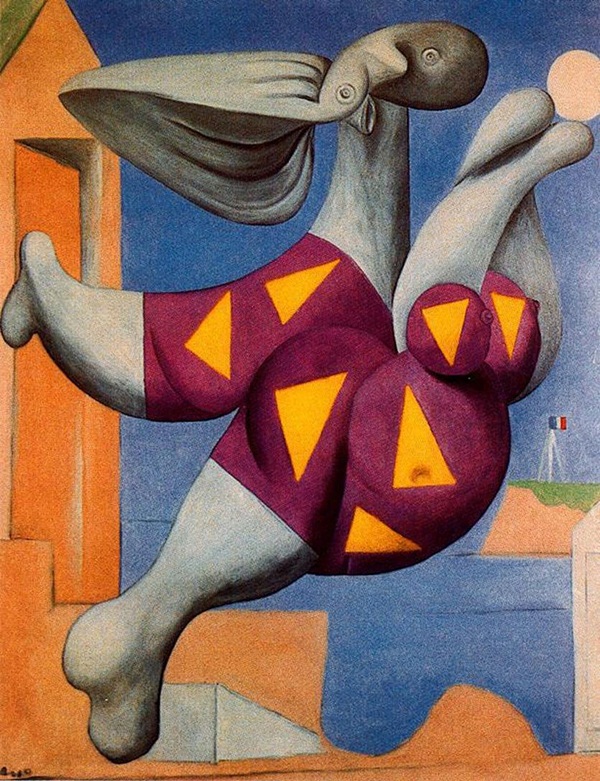
Picasso’s deep connection to his Spanish heritage is evident throughout Guernica. The painting incorporates elements of traditional Spanish art, such as the use of black and white, and the depiction of animals and human suffering.
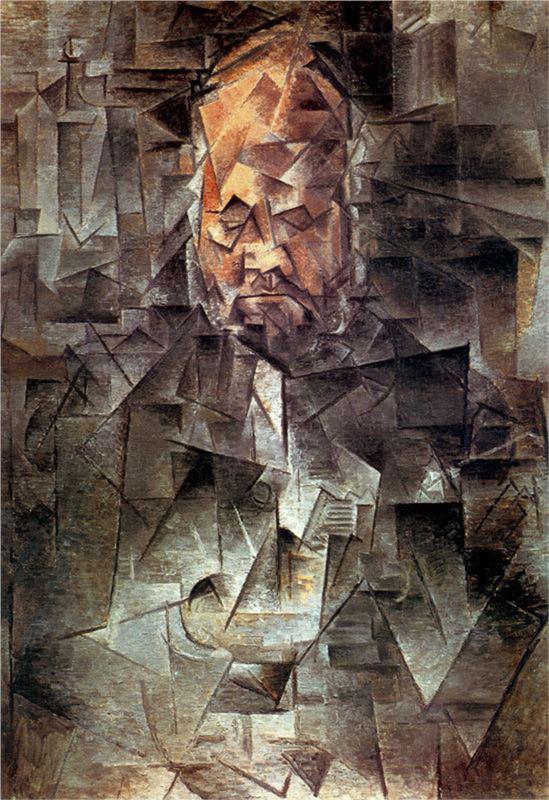
2. The Role of Surrealism
While Guernica is primarily a Cubist work, it also incorporates elements of Surrealism, such as the fragmented and distorted figures and the juxtaposition of disparate objects.
3. The Symbolism of the Lamp
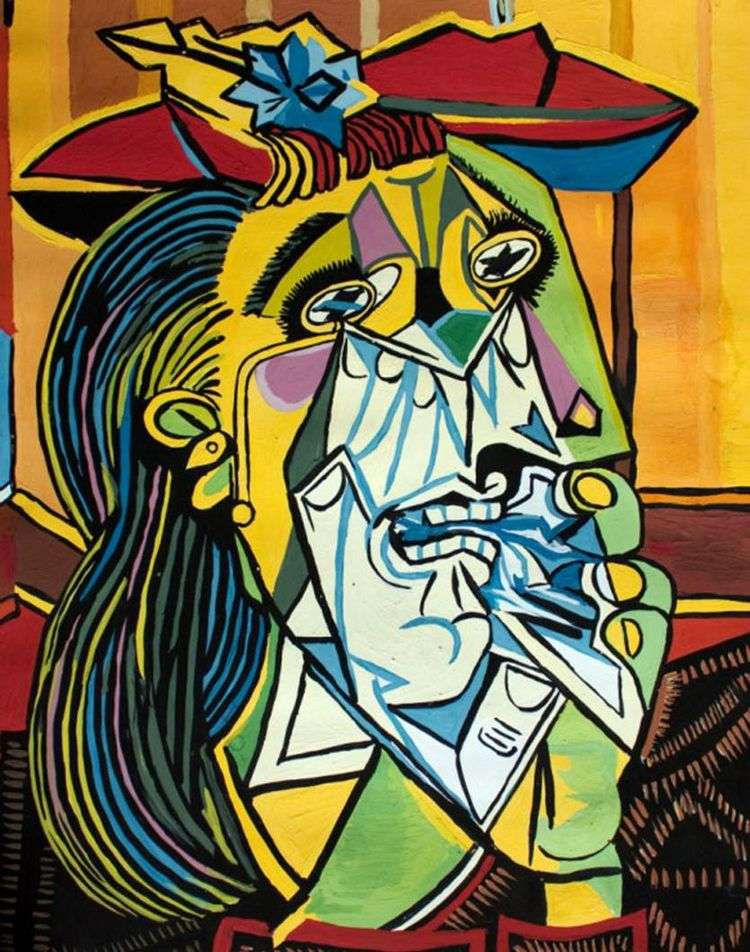
The lamp hanging from the ceiling in Guernica is a powerful symbol of hope and resilience. It represents the enduring spirit of the Spanish people, even in the darkest of times.
4. The Influence of Goya

Picasso’s Guernica is often compared to Goya’s The Third of May 1808, another powerful anti-war painting. Both works depict the horrors of war and the suffering of the innocent.
5. The Impact on Contemporary Art
Guernica has had a profound impact on contemporary art, inspiring countless artists to address social and political issues in their work. It remains a touchstone for artists who seek to use their art as a force for change.

Advantages and Disadvantages of Picasso’s Guernica

Advantages:

- Powerful anti-war message: Guernica is a powerful indictment of the horrors of war and a timeless symbol of the suffering it inflicts.
- Artistic innovation: Picasso’s use of Cubism and Surrealism creates a visually striking and emotionally charged work of art.
- Historical significance: Guernica is a significant historical document, capturing the horrors of the Spanish Civil War and the rise of fascism.
- Cultural impact: Guernica has had a profound impact on contemporary art and culture, inspiring countless artists and activists.
Disadvantages:
- Emotional intensity: Guernica is a deeply disturbing and emotionally charged painting, which can be overwhelming for some viewers.
- Complexity: The complex symbolism and fragmented figures can make Guernica difficult to understand for some viewers.
- Limited accessibility: Guernica is housed in the Museo Reina Sofia in Madrid, which may limit its accessibility for viewers worldwide.
Summary of Picasso’s Guernica

Closure
Thus, we hope this article has provided valuable insights into Picasso’s Most Famous Painting: Unveiling the Masterpiece. We thank you for taking the time to read this article. See you in our next article!
