
With enthusiasm, let’s navigate through the intriguing topic related to The Art of Drawing the Italian Flag: A Guide to Symbolism, History, and Technique. Let’s weave interesting information and offer fresh perspectives to the readers.
The Art of Drawing the Italian Flag: A Guide to Symbolism, History, and Technique
Introduction
The Italian flag, a vibrant tricolor of green, white, and red, is a symbol of national pride and unity. Its origins can be traced back to the 18th century, and it has undergone several iterations before assuming its current form in 1946. This guide will delve into the history, symbolism, and technique of drawing the Italian flag, providing aspiring artists with a comprehensive understanding of this iconic emblem.
A Tapestry of Meaning: The Symbolism of the Italian Flag
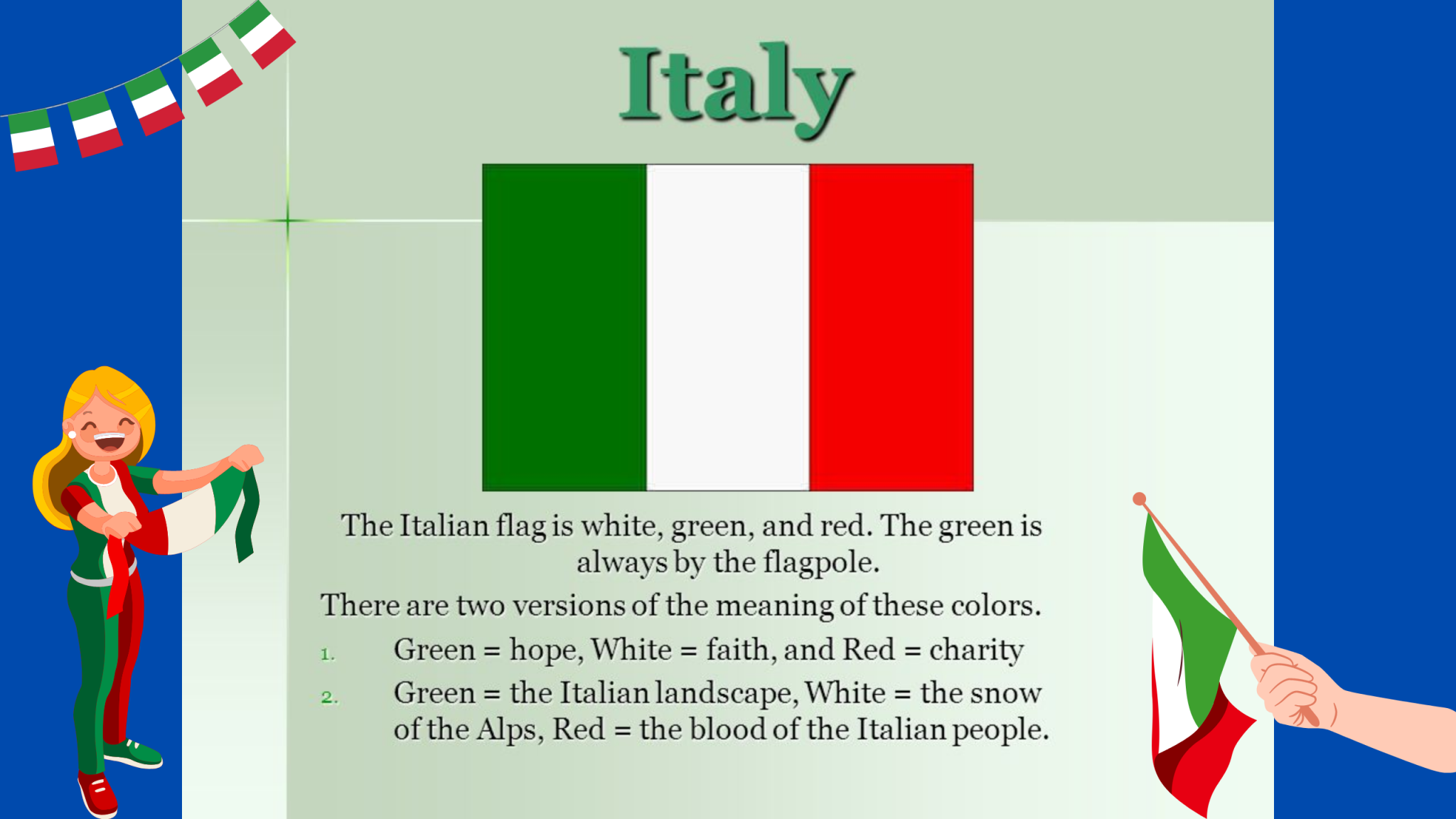
Green: Hope and Rebirth
The verdant hue of green symbolizes hope, fertility, and the renewal of life. It represents the lush countryside, the agricultural heritage of Italy, and the aspirations for a brighter future.

White: Purity and Peace
The pure white band signifies peace, harmony, and the unity of the Italian people. It evokes the snow-capped peaks of the Alps, the serene Mediterranean Sea, and the desire for a just and equitable society.
Red: Passion and Sacrifice
The crimson red represents the blood shed by Italian patriots in the struggle for independence and unification. It symbolizes passion, courage, and the determination to defend the nation’s values and freedoms.
A Historical Journey: The Evolution of the Italian Flag

18th Century: The Birth of the Tricolor
The first Italian tricolor flag emerged in 1797, during the Napoleonic Wars. It consisted of green, white, and red stripes, representing the Italian National Guard.
19th Century: Unification and Controversy
The tricolor became the official flag of the Kingdom of Italy in 1861, following the country’s unification. However, its use was controversial, as some regions preferred their own regional flags.

20th Century: A Symbol of Identity
The Italian flag gained widespread acceptance in the 20th century, becoming a symbol of national identity and pride. It was officially adopted as the national flag in 1946, after the end of World War II.
Drawing the Italian Flag: A Step-by-Step Guide

Materials:
- White paper
- Green, white, and red colored pencils or markers
- Ruler or measuring tape
- Pencil


Instructions:
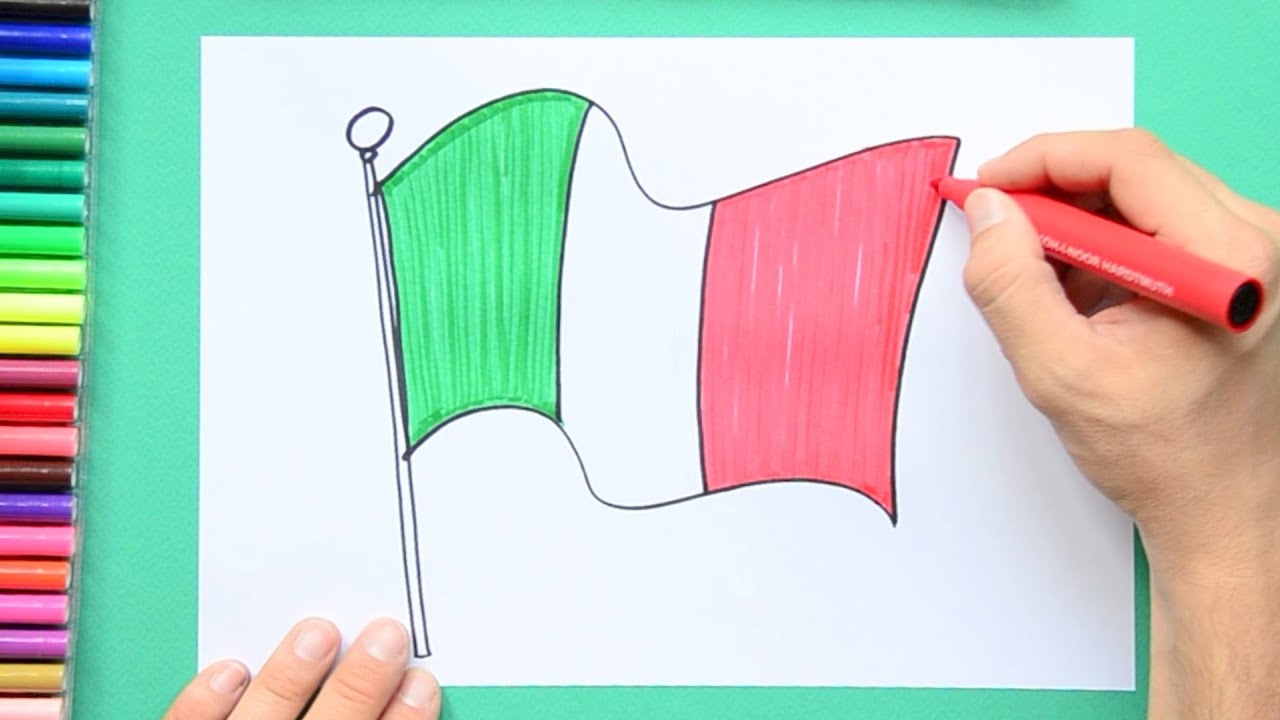
- Draw a rectangle on the paper to represent the flag’s dimensions.
- Divide the rectangle into three equal horizontal sections.
- Color the top section green, the middle section white, and the bottom section red.
- Use the ruler to ensure that the stripes are even and symmetrical.
- Allow the flag to dry completely.


The Advantages and Disadvantages of Drawing the Italian Flag
Advantages:
- Symbolism: Drawing the Italian flag is a meaningful and patriotic activity.
- Simplicity: The tricolor design is easy to draw and recognizable.
- Educational Value: Drawing the flag can teach children about Italian history and culture.
Disadvantages:
- Precision Required: Drawing even stripes requires precision and attention to detail.
- Color Limitations: The flag’s colors are fixed, limiting artistic freedom.
- Complexity: Drawing the flag in a realistic style can be challenging.
Summary: Key Points about the Italian Flag
- The Italian flag is a tricolor of green, white, and red, symbolizing hope, peace, and passion.
- It was first adopted in the 18th century and became the official national flag in 1946.
- The flag is a powerful symbol of Italian national identity and pride.
- Drawing the Italian flag is a rewarding and educational activity.
Frequently Asked Questions
Q: What are the different interpretations of the flag’s colors?
A: Green can also represent the Italian countryside, white can symbolize the snow-capped Alps, and red can represent the blood shed in wars for independence.
Q: How has the flag’s design changed over time?
A: The proportions and shades of the stripes have been adjusted slightly over the years, but the tricolor design has remained the same since its inception.
Q: What are the best tips for drawing a realistic Italian flag?
A: Use a ruler for straight lines, blend the colors smoothly, and pay attention to the proportions of the stripes.
Q: What is the significance of the Italian flag in Italian culture?
A: The flag is a revered symbol of national unity, patriotism, and the Italian people’s struggle for freedom.
Q: How can I use the Italian flag in my artwork?
A: The flag can be incorporated into paintings, sculptures, or other artistic creations as a symbol of Italy or Italian heritage.
Conclusion: A Call to Action
Drawing the Italian flag is a rewarding and meaningful activity that connects us to the history, culture, and values of Italy. Whether you are an aspiring artist, a history enthusiast, or simply someone who appreciates the beauty of symbols, we encourage you to pick up your pencils and draw the Italian flag. Let it be a reminder of the rich heritage and enduring spirit of the Italian people.
Closing Statement: A Rebuttal to Skepticism
Some may argue that drawing the Italian flag is a simple and mundane task. However, we believe that even the simplest of drawings can carry deep meaning and value. The act of drawing the flag is a testament to our appreciation for the sacrifices made by those who came before us and our hopes for a brighter future for Italy.

Closure
Thus, we hope this article has provided valuable insights into The Art of Drawing the Italian Flag: A Guide to Symbolism, History, and Technique. We thank you for taking the time to read this article. See you in our next article!
