
With great pleasure, we will explore the intriguing topic related to The Enchanting World of Claude Monet: A Journey Through His Masterpieces. Let’s weave interesting information and offer fresh perspectives to the readers.
The Enchanting World of Claude Monet: A Journey Through His Masterpieces

Introduction
Step into the vibrant realm of Claude Monet, where light and color dance upon the canvas, capturing the fleeting beauty of nature. As we delve into the depths of his art, we uncover a symphony of hues and textures that transcends the boundaries of representation, inviting us to experience the world through the eyes of a master.
From the tranquil waters of Giverny to the bustling streets of Paris, Monet’s paintings encapsulate the essence of his surroundings, transforming them into timeless masterpieces. His innovative use of color and brushwork revolutionized the art world, paving the way for the birth of Impressionism.
The Essence of Impressionism
Impressionism, a movement spearheaded by Monet, sought to capture the fleeting impressions of light and atmosphere. By painting en plein air (outdoors), Monet immersed himself in the changing conditions of nature, translating his observations onto canvas with remarkable accuracy.

His brushstrokes, often short and broken, created a sense of movement and spontaneity, capturing the ephemeral beauty of a moment. Monet’s paintings are not merely depictions of landscapes or figures; they are vibrant expressions of light and color, inviting viewers to experience the world through his unique perspective.
Claude Monet’s Iconic Paintings
Among Monet’s vast body of work, several paintings stand out as iconic masterpieces, each offering a glimpse into the artist’s extraordinary vision.

Impression, Sunrise (1872): This painting, which gave birth to the term "Impressionism," depicts the harbor of Le Havre at sunrise. The hazy atmosphere and shimmering water create a sense of ethereal beauty, capturing the fleeting moment of transition between night and day.
-
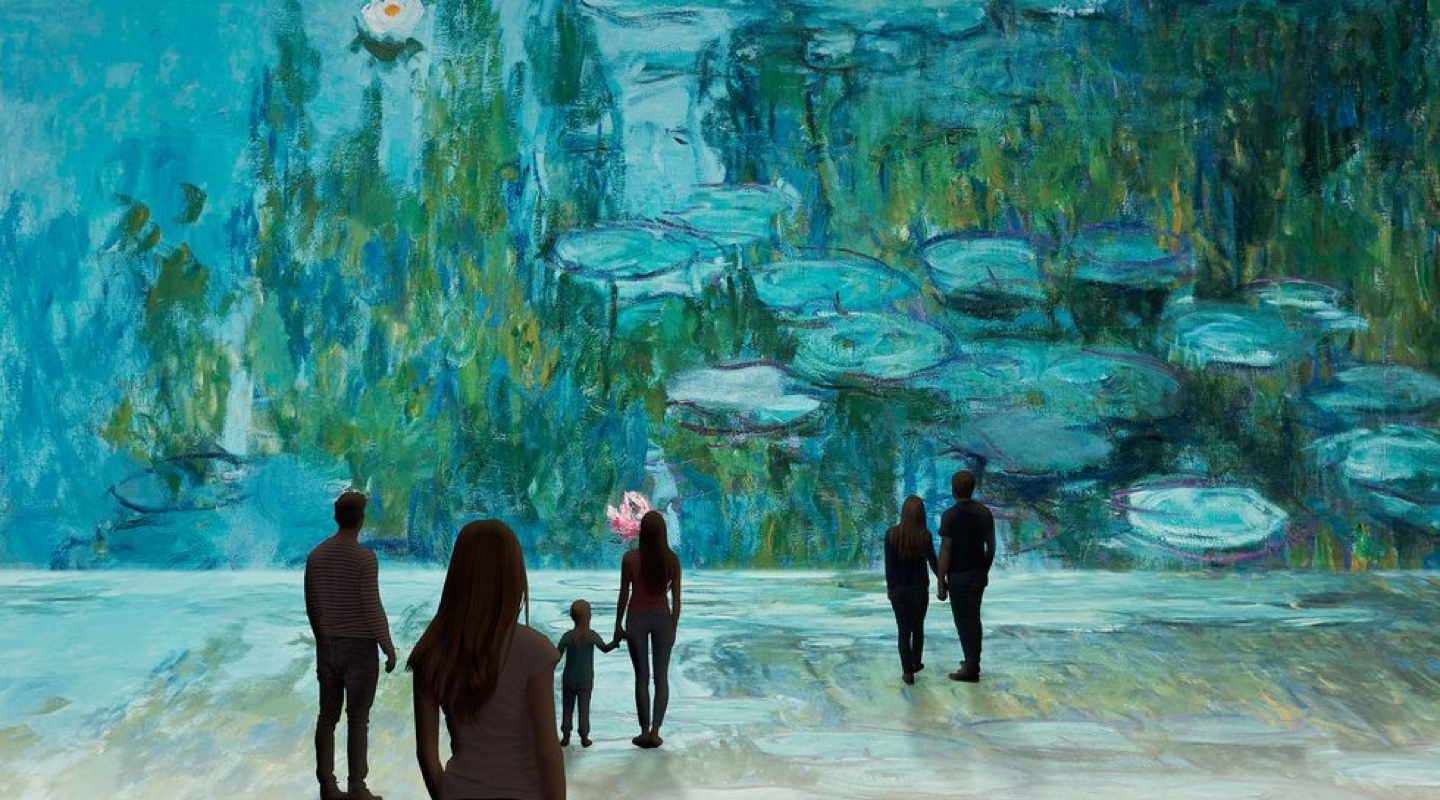
Water Lilies (1899-1926): Monet’s series of water lily paintings, created in his garden at Giverny, showcases his mastery of color and light. The vibrant hues and delicate brushwork evoke the serenity and tranquility of the natural world.

-
The Rouen Cathedral (1892-1894): In this series of paintings, Monet captured the changing light and atmospheric conditions of the Rouen Cathedral. The play of light and shadow on the intricate facade creates a sense of depth and movement, highlighting Monet’s ability to transcend the boundaries of traditional landscape painting.

The Advantages of Claude Monet’s Art

Monet’s paintings offer a multitude of benefits, both aesthetic and emotional.

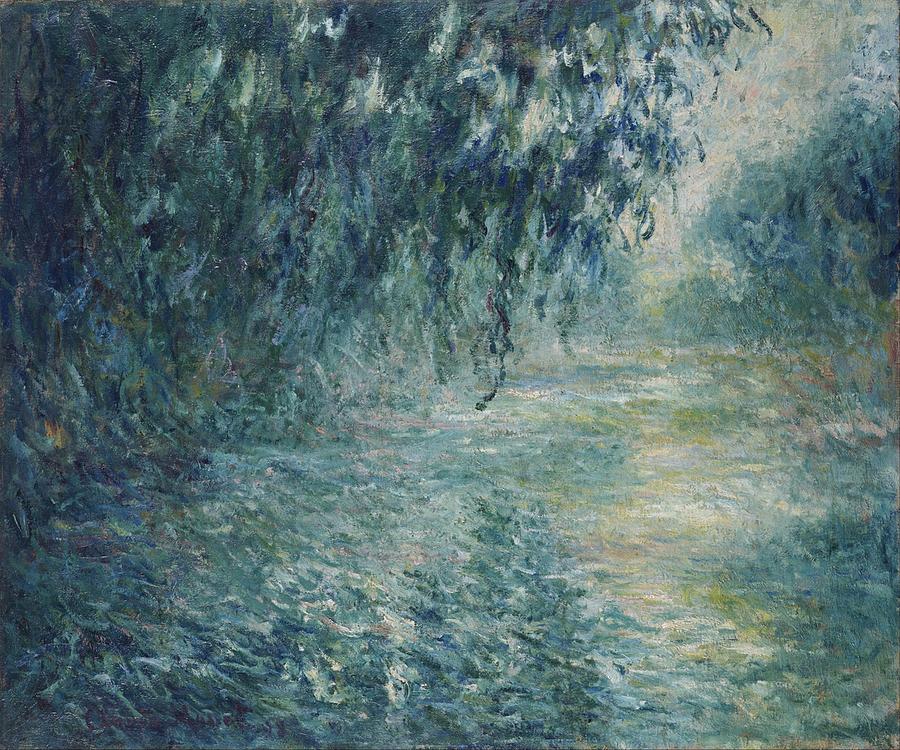
Aesthetic Appeal: Monet’s vibrant colors and evocative brushwork create visually stunning works of art that enhance any space. His paintings bring the beauty of nature indoors, offering a constant source of inspiration and joy.
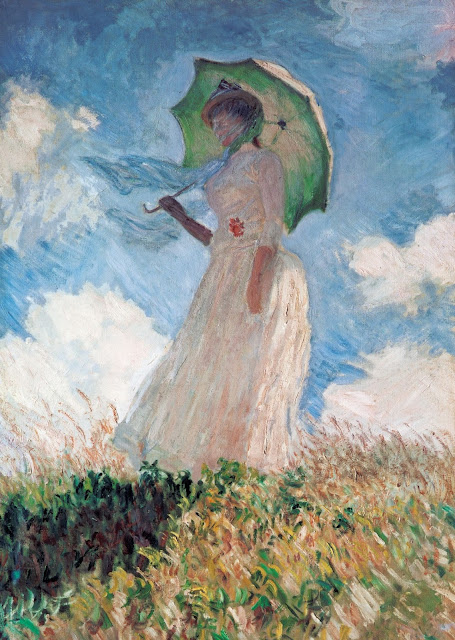

Emotional Resonance: Monet’s paintings have a profound emotional impact on viewers. They evoke a sense of peace, tranquility, and wonder, inviting us to appreciate the beauty of the world around us.

Historical Significance: Monet’s paintings are not only beautiful but also historically significant. They represent a pivotal moment in the development of art, bridging the gap between traditional landscape painting and the modern era.

The Disadvantages of Claude Monet’s Art
While Monet’s paintings offer numerous advantages, there are a few potential drawbacks to consider:
-
Cost: Original Monet paintings are highly sought after and can command exorbitant prices. However, there are many affordable reproductions and prints available that allow people to enjoy his art without breaking the bank.
-
Reproduction Challenges: Monet’s paintings are often complex and detailed, making it difficult to accurately reproduce them. Some reproductions may not fully capture the subtle nuances and brushstrokes of the originals.
-
Maintenance: Monet’s paintings require proper care and maintenance to preserve their beauty over time. Exposure to sunlight, humidity, and other environmental factors can damage the paintings, so it’s important to display them in a controlled environment.
Summary of Claude Monet’s Art
Claude Monet’s art is a celebration of light, color, and nature. His innovative use of brushwork and color revolutionized the art world, giving birth to Impressionism. Monet’s iconic paintings, such as "Impression, Sunrise" and "Water Lilies," continue to inspire and captivate audiences worldwide.
While Monet’s paintings offer aesthetic appeal, emotional resonance, and historical significance, they may come with certain drawbacks, including cost, reproduction challenges, and maintenance requirements. Nonetheless, Monet’s art remains a valuable investment, bringing beauty, joy, and a piece of art history into any space.
Q&A on Claude Monet’s Art
Q: What are the key characteristics of Monet’s Impressionist style?
A: Monet’s Impressionist style is characterized by short, broken brushstrokes, vibrant colors, and a focus on capturing the fleeting impressions of light and atmosphere.
Q: What is the significance of Monet’s "Water Lilies" series?
A: Monet’s "Water Lilies" series showcases his mastery of color and light, capturing the serene beauty of his garden at Giverny. These paintings are a testament to his dedication to capturing the changing seasons and atmospheric conditions.
Q: How did Monet’s paintings influence the development of modern art?
A: Monet’s paintings broke away from traditional landscape painting, paving the way for the development of modern art. His innovative use of color and brushwork inspired subsequent generations of artists, including the Post-Impressionists and Abstract Expressionists.
Q: What are the advantages of owning a Monet painting?
A: Owning a Monet painting offers aesthetic appeal, emotional resonance, and historical significance. Monet’s paintings enhance any space with their beauty and bring a piece of art history into the home.
Q: What are the potential challenges associated with owning a Monet painting?
A: Potential challenges associated with owning a Monet painting include cost, reproduction challenges, and maintenance requirements. Original Monet paintings can be expensive, and reproductions may not fully capture the nuances of the originals. Additionally, Monet’s paintings require proper care and maintenance to preserve their beauty over time.
Conclusion
Claude Monet’s art is a timeless treasure that continues to enchant and inspire. His paintings capture the fleeting beauty of nature, offering viewers a glimpse into the world through the eyes of a master. Whether you are a seasoned art collector or simply appreciate the beauty of nature, Monet’s art is sure to bring joy and inspiration into your life.
Closing Statement
As you embark on your own artistic journey or seek to enhance your appreciation of art, remember the legacy of Claude Monet. His unwavering dedication to capturing the essence of light and color serves as a reminder of the transformative power of art. Embrace the beauty of the world around you, and let the vibrant hues and delicate brushstrokes of Monet’s paintings ignite your imagination.

Closure
Thus, we hope this article has provided valuable insights into The Enchanting World of Claude Monet: A Journey Through His Masterpieces. We appreciate your attention to our article. See you in our next article!
